




How AI Is Changing the Questions We Ask
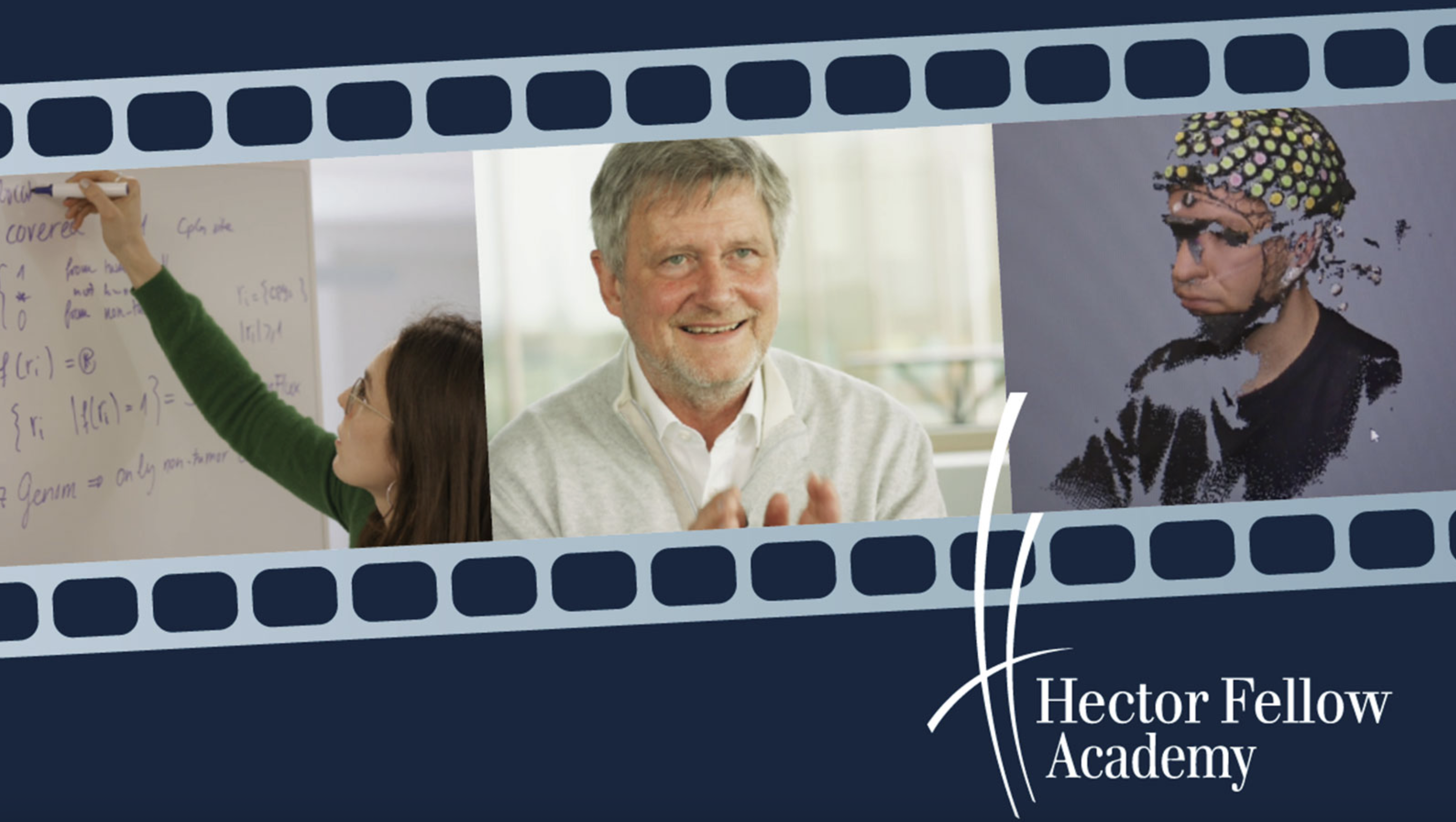
Artificial intelligence has long become part of our everyday lives, from search engines and language models to medical applications. Yet its greatest potential may lie not only in solving existing tasks more efficiently, but in fundamentally transforming science itself. The Hector Fellow Academy’s new video profile, “AI in Science: How AI Is Changing the Questions We Ask – Klaus-Robert Müller,” explores how artificial intelligence is enabling new discoveries and why it is poised to shape the future of research for years to come.
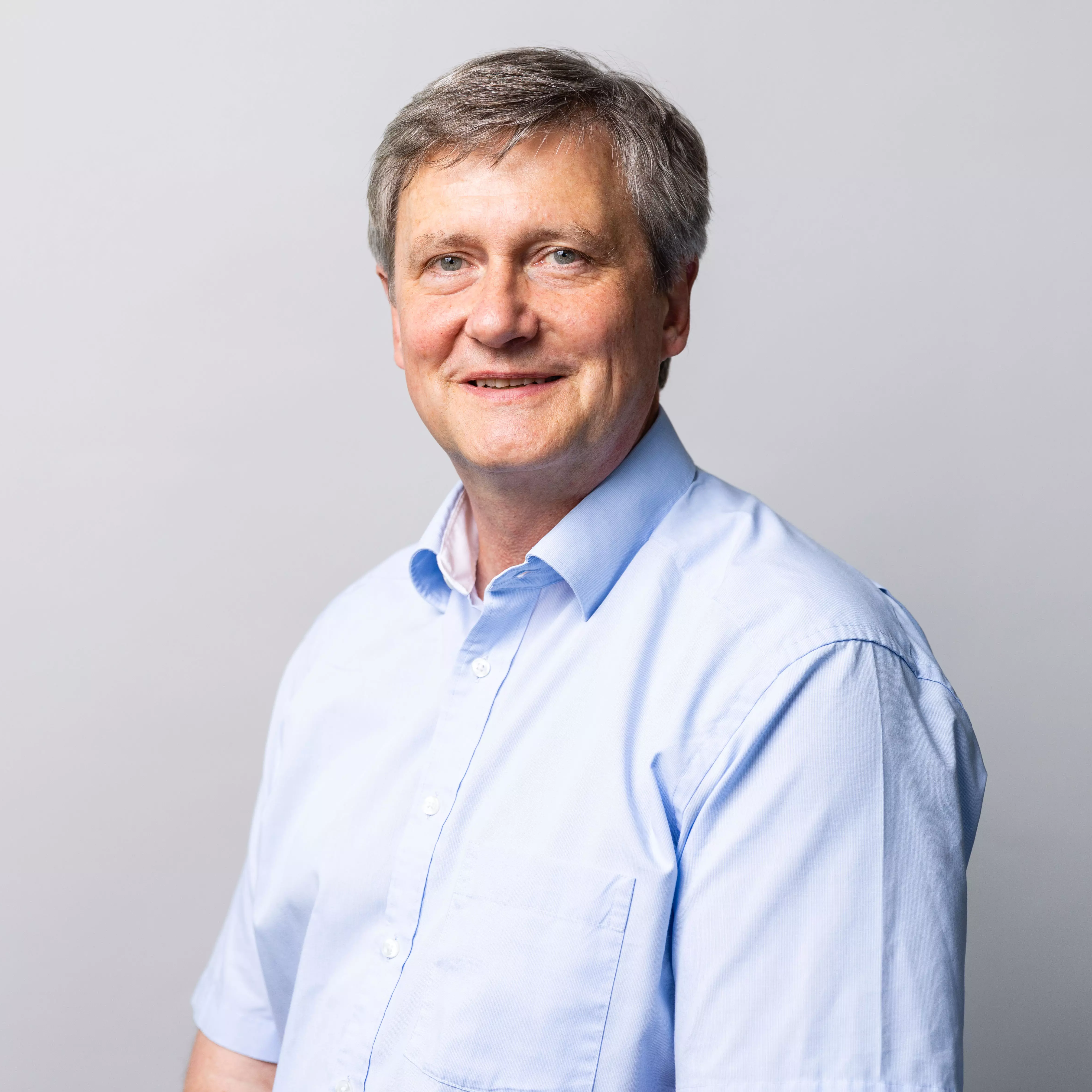
Klaus-Robert Müller, Professor of Machine Learning at the Technical University of Berlin and Director of the Berlin Institute for the Foundations of Learning and Data (BIFOLD), is among the world’s leading researchers in artificial intelligence. He has been a member of the Hector Fellow Academy since 2023. His work focuses on explainable AI systems and on how machine learning methods can help scientists across a wide range of disciplines uncover previously hidden patterns in complex data and formulate entirely new research questions.
For Klaus-Robert Müller, the true value of AI does not lie in the race to develop ever more powerful algorithms, but in its use as a tool for scientific breakthroughs. In the video profile, Müller explains:
“When I bring AI into the sciences so that we can gain new insights, whether related to diseases or to quantum mechanics, it becomes much more sustainable. In essence, you are giving the gold miners a shovel, and with that they can keep digging for another century.”
Whether in quantum chemistry, materials science, or medicine, artificial intelligence is becoming a foundational tool for scientific research.
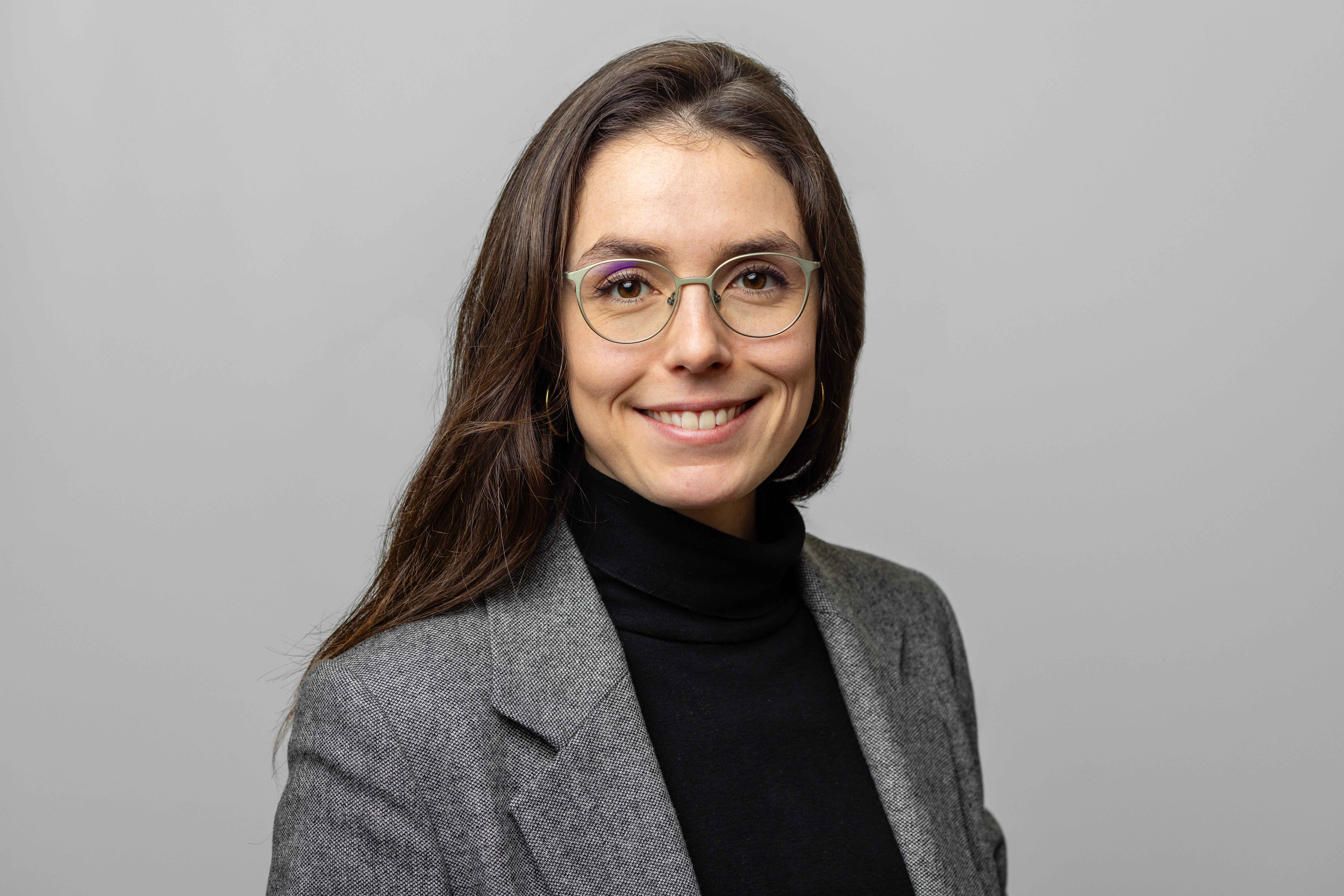
Another key focus of the film is explainable artificial intelligence. While modern AI systems often produce impressive results, the decision-making processes behind them can be difficult to understand. In sensitive fields such as medicine, this transparency is essential for building trust in AI-assisted diagnoses and treatment decisions. The practical application of these approaches is demonstrated through the work of Laure Ciernik, a doctoral researcher in Klaus-Robert Müller’s team whose PhD project is funded by the Hector Fellow Academy. She is developing machine learning methods that use genetic data to classify brain tumors more accurately, with the long-term goal of reducing the need for invasive cranial procedures for patients.
Klaus-Robert Müller’s research highlights the transformative potential of artificial intelligence for science. AI helps researchers uncover complex relationships, develop new research questions, and advance scientific discovery across a broad range of disciplines. As a result, artificial intelligence is far more than an everyday technology, it is becoming a key driver of the science of tomorrow.
The video and the original press release were published by Hector Fellow Academy (HFA) gGmbH.
Watch the video here: