
Bifold Summer School 2025
Wrap up: 2025 Berlin Summer School of Artificial Intelligence and Society
Open Science and AI - Shaping the Future of Responsible Research
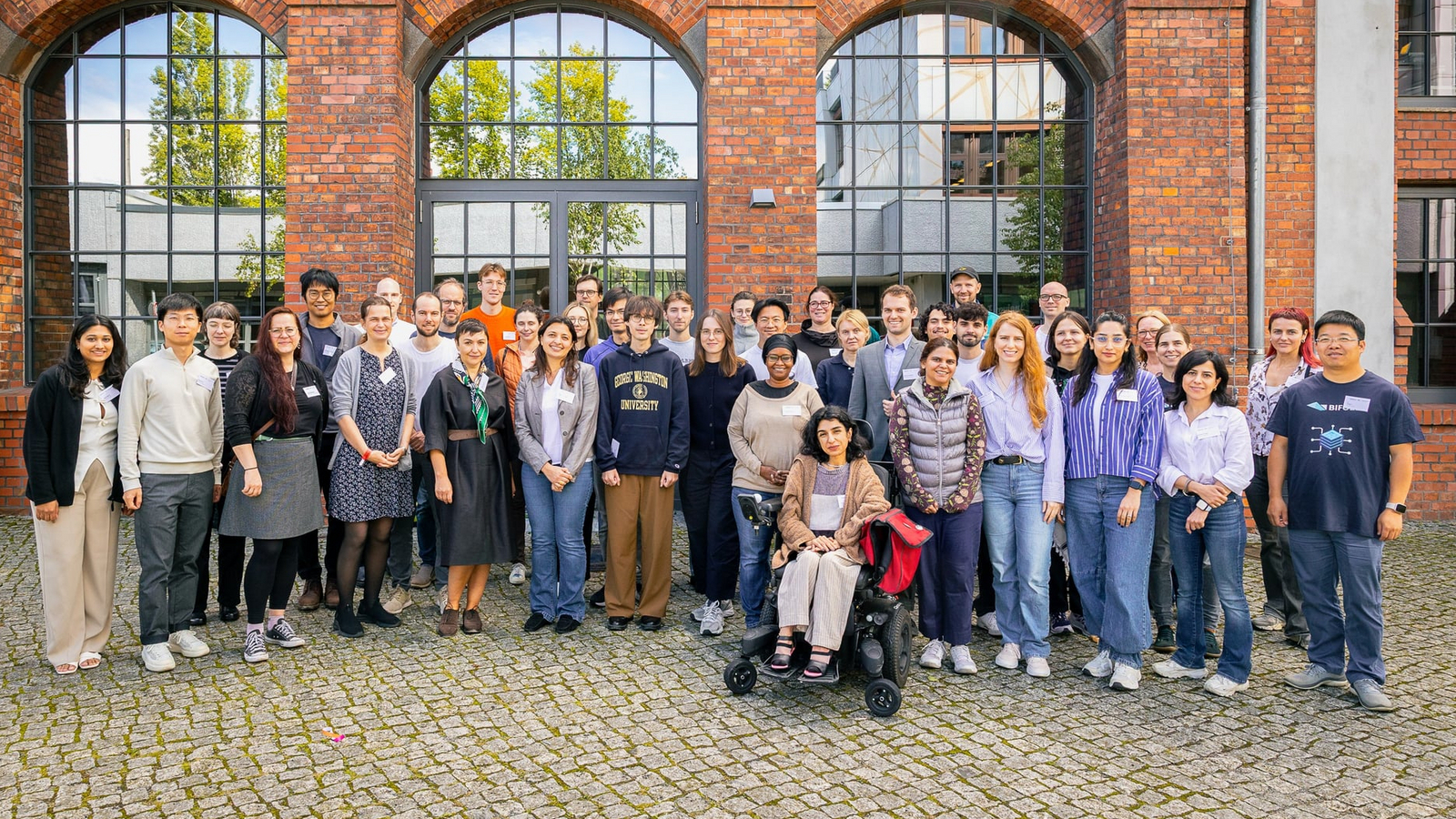
The 2025 Berlin Summer School of Artificial Intelligence and Society took place from September 15-18, 2025, at the TU-Campus EUREF in Berlin Schöneberg. It focused on “Open Science and Open Data” and was jointly organized by the BIFOLD Graduate School, the Cluster of Excellence "Science of Intelligence" (SCIoI) and the Weizenbaum Institute in Berlin.
The summer school brought together early career researchers from across disciplines to explore the intersection of open science, open data and artificial intelligence. Participants and speakers from BIFOLD, SCIoI, the Weizenbaum Institute, TU Berlin and other universities and research institutes in Germany and Europe addressed the responsible use of AI, data transparency, implementing FAIR principles (findability, accessibility, interoperability, and reusability), building resilient data infrastructures, and maintaining scientific integrity in AI-driven research. The programme covered pressing challenges in reproducibility, anonymization techniques, and citizen science approaches that democratize AI development. Beyond theoretical discussions, participants gained hands-on experience with practical tools and methodologies essential for responsible research. The Summer School offered valuable insights, skills, and connections needed to advance ethical, open practices in contemporary AI research.
Over 3,5 days participants engaged with leading experts through keynotes, in-depths lectures, and hands-on workshops. A highlight of the programme was the interactive excursion to the WiNoDa Knowledge Lab at the Museum für Naturkunde in Berlin. Participants experienced real-world applications of digital research and data management. The program fostered an open exchange of ideas and equipped researchers with the skills and networks to advance ethical, transparent practices in contemporary AI research.
Keynotes & Speakers
The four keynote speeches were held by highly recognized scientists and addressed how neuro-symbolic AI can drive the next generation of open, transparent, and responsible scientific research (Prof. Sören Auer, TIB – Leibniz Information Centre for Science and Technology and University Library), the status quo of the current debate on AI and research integrity (Dr Katrin Frisch, Ombuds Committee for Research Integrity in Germany), how openness can foster trust and integrity in Artificial Intelligence research (Dr Angela Holzer), and Open data infrastructure in the age of generative AI (Prof. Elena Simperl, King’s College London).
Professor Sören Auer
TIB – Leibniz Information Centre for Science and Technology and University Library
Dr Katrin Frisch
Ombuds Committee for Research Integrity in Germany
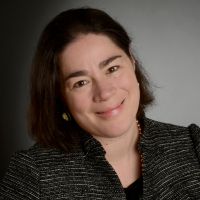
Dr Angela Holzer
German Research Foundation
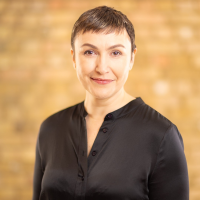
Professor Elena Simperl
King’s College London
All Speakers of the Summer School 2025 are listed here.
Agenda
In the following, you can find the schedule for each day. On several days, parallel content tracks took place.
| Time | Description | ||
|---|---|---|---|
| 09:00 – 10:00 | Registration & Coffee | ||
| 10:00 – 10:30 | Welcome Notes | ||
| 10:30 – 11:30 | Keynote: Open data infrastructure in the age of generative AI Professor Elena Simperl (King’s College London) | ||
| 11:30 – 13:00 | Poster Session | ||
| 13:00 – 14:00 | Lunch break | ||
| 14:00 – 15:00 | Keynote: Is Open Science still relevant? Dr Angela Holzer (German Research Foundation) | ||
| 15:00 – 15:30 | Speed Meeting | ||
| 15:30 – 16:00 | Coffee break | ||
| 16:00 – 17:00 | Lecture: Data Infrastructures and Data Competencies: The Key for a Cooperative Data Culture Professor Sonja Schimmler (TU Berlin & Fraunhofer FOKUS) | ||
| 17:30 | Social Get-Together | ||
| Time | Description | ||
|---|---|---|---|
| 09:30 – 10:00 | Coffee & Exchange | ||
| 10:00 – 11:15 | Parallel Sessions (In-depths lectures) | ||
| Scientific Attitudes Toward Risk Variability Dr Rena Alcalay (Technical University of Munich) | SIGMOD Availability and Reproducibility: Turning Research Nightmares into Smooth Sailing Professor Holger Pirk (Imperial College London) | ||
| 11:15 - 12:30 | Lowering Barriers to Open Research: Cedalion as an Example from Neuroimaging Dr Eike Middell (Technische Universität Berlin & BIFOLD) | Collaborative Power of AI and Citizen Science for Sustainable Development Dr Dilek Fraisl (International Institute for Applied Systems Analysis) | |
| 12:30 – 13:30 | Lunch break | ||
| 13:30 – 15:00 | Parallel Sessions (In-depths lectures) | ||
| Machine learning for Sciences: Computational chemistry and biology Dr Michael Gastegger (Microsoft Research AI for Science) | From Data to Tangible Insights: Exploring Open Data in Berlin Anna Meide & Philipp Jordan (CityLAB Berlin) | ||
| 15:00 – 15:30 | Coffee break | ||
| 15:30 – 17:30 | Openness in your own research practice (Joint discussion and exchange) Dr Dietmar Kammerer (Weizenbaum Institute) | ||
| Time | Description | ||
|---|---|---|---|
| 09:30 – 10:00 | Coffee & Exchange | ||
| 10:00 - 11:00 | Keynote: Maintaining Integrity when Using AI in Your Research Dr Katrin Frisch (Ombuds Committee for Research Integrity in Germany) | ||
| 11:00 – 12:30 | Hands-On Session | ||
| Reproducible Research with LEGO Anja Herwig (Humboldt-Universität zu Berlin) | |||
| 12:30 - 13:30 | Lunch break | ||
| 13:30 – 14:30 | Keynote: Neuro-symbolic AI for Open Science Professor Sören Auer (TIB – Leibniz Information Centre for Science and Technology and University Library) | ||
| 14:30 – 18:00 | Excursion 15:15-15:25: Arrival and welcome 15:30-16:30: Four parallel tours with digitisation demonstrations
16:30-18:00: Lecture on data management at the MfN and discussion | ||
| Time | Description | ||
|---|---|---|---|
| 09:30 – 10:00 | Coffee & Exchange | ||
10:00 - 11:00 | Parallel Sessions (In-depts lectures) | ||
A Fever Dream of Machine Learning Framework Composability: Croissant and Beyond | How to share personal data | ||
11:00 – 12:30 | Parallel Sessions (Hands-On) FAIR Data in Practice: Finding and Reusing Research Data |
Leveraging peer-to-peer technology to keep research data safe and accessible. | |
| 12:30 – 13:00 | Final Discussion & Wrap up | ||
| 13:00 – 14:00 | Lunch break | ||
Teaching formats
KEYNOTES
The keynote speeches provided an introductory overview of specific topics in Machine Learning, Data Management, intelligence, and the societal impact of AI in the context of Open Science and Open Data.
IN-DEPTH SESSIONS
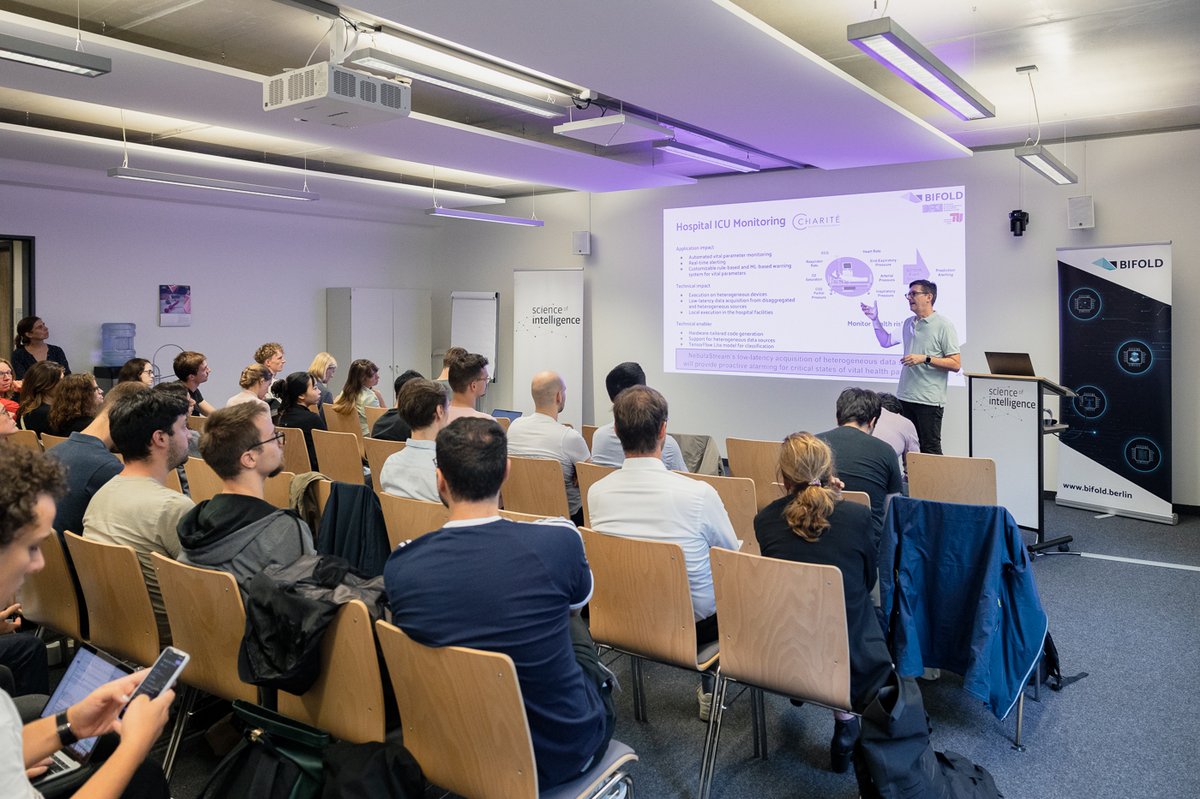
In-depth lectures addressed subject-specific topics. Participants were able to choose from parallel sessions according to their field of interest.
HANDS-ON SESSIONS
More practice-oriented workshops offered participants hands-on experience and the possibility to interact.
EXCURSION
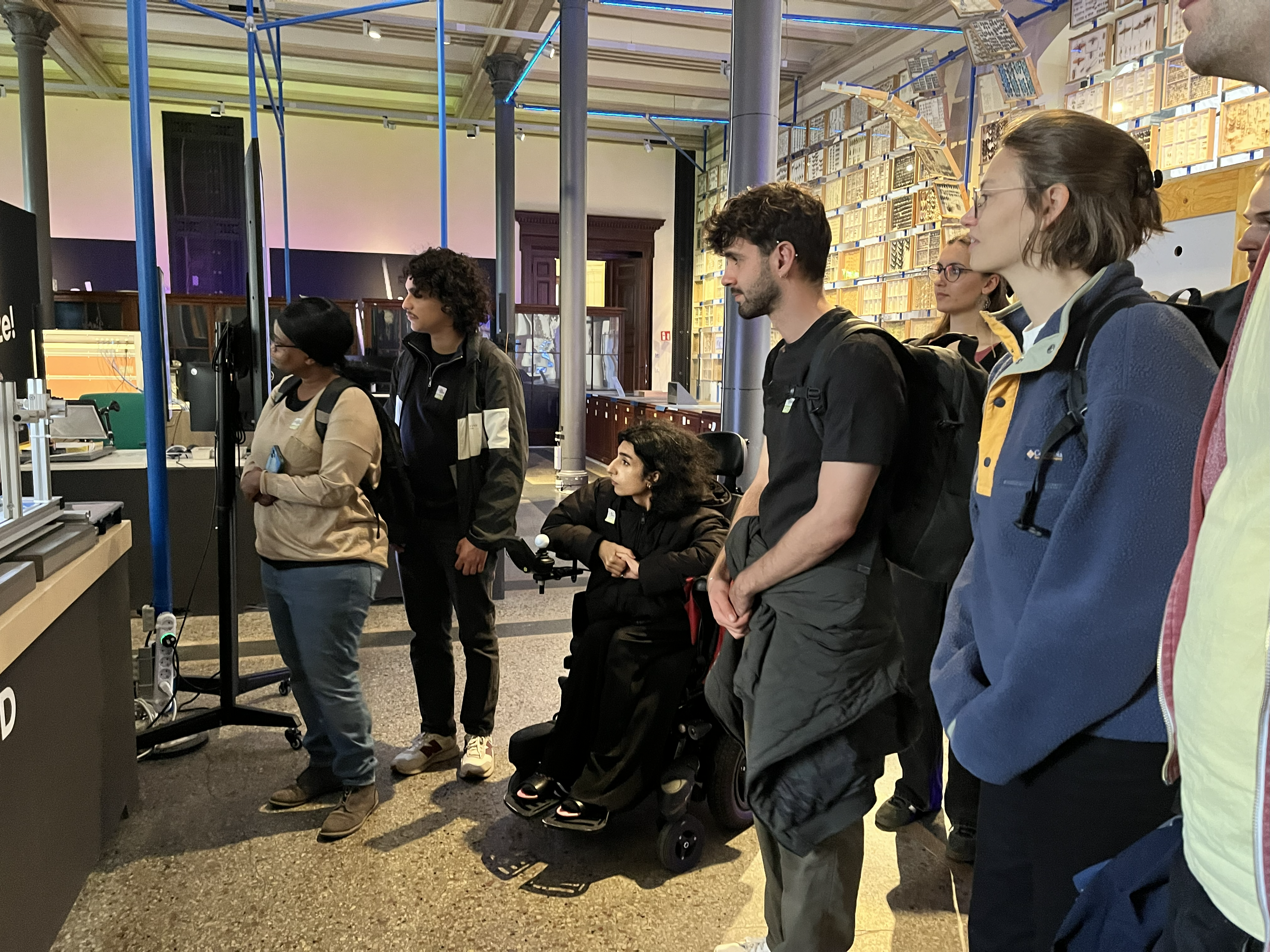
The Summer School experience extended beyond the classroom with an engaging excursion to the WiNoDa Knowledge Lab at the Museum für Naturkunde in Berlin, providing valuable insights into practical implementations of the principles discussed during the program.
NETWORKING
Ample time for networking, exchange, and discussions was provided with a good balance between the number of participants and speakers, who were available for further discussion.
Partners



Network