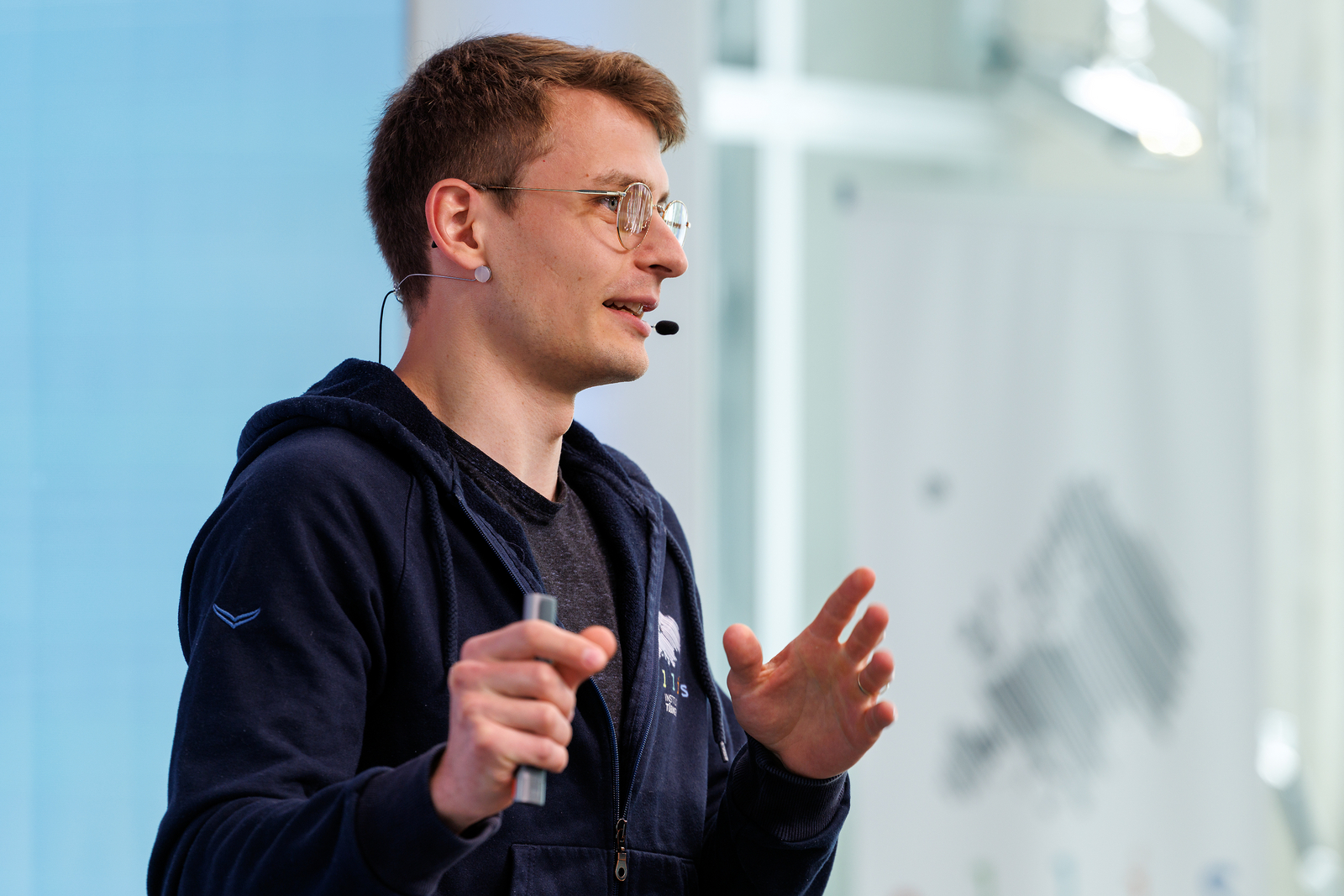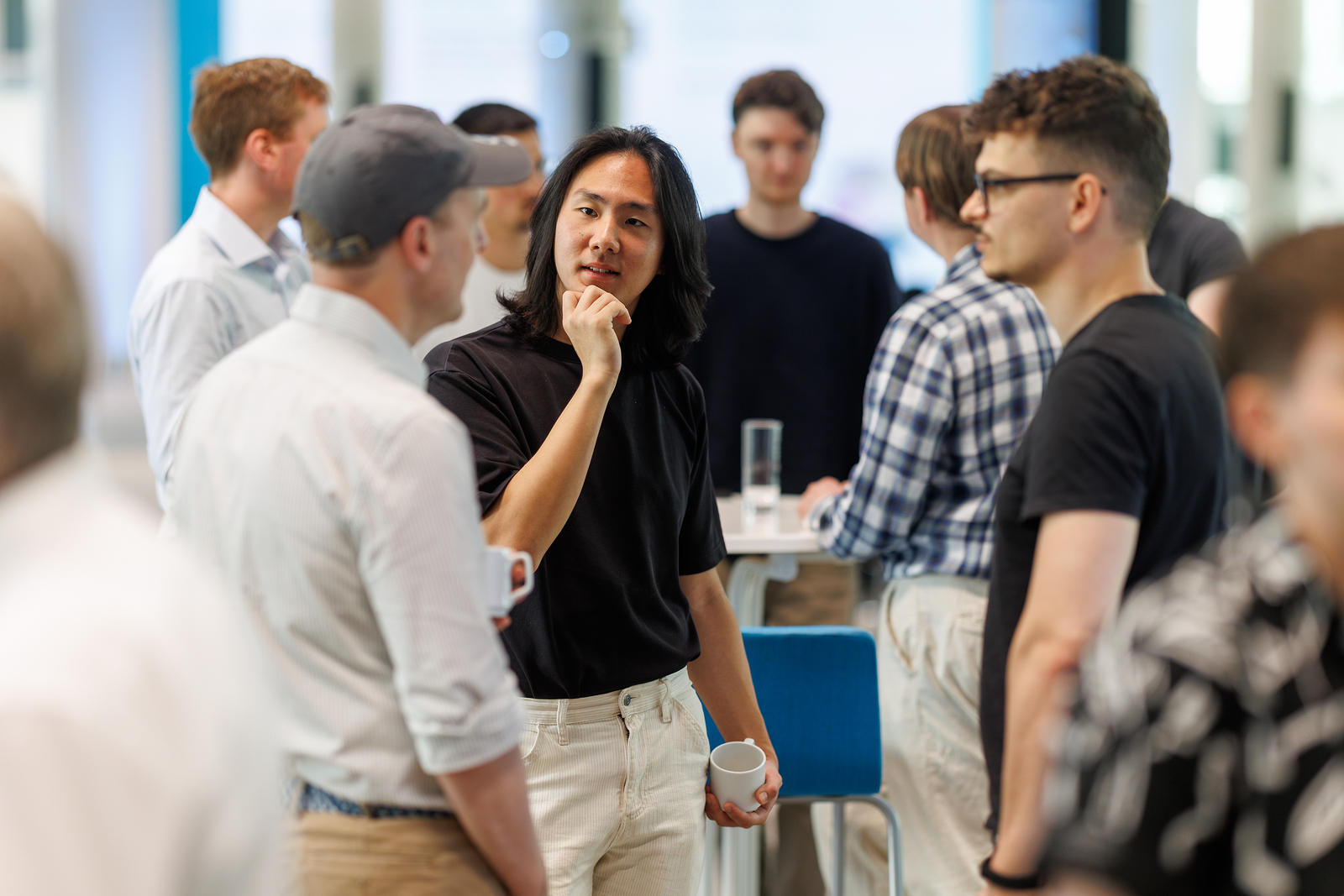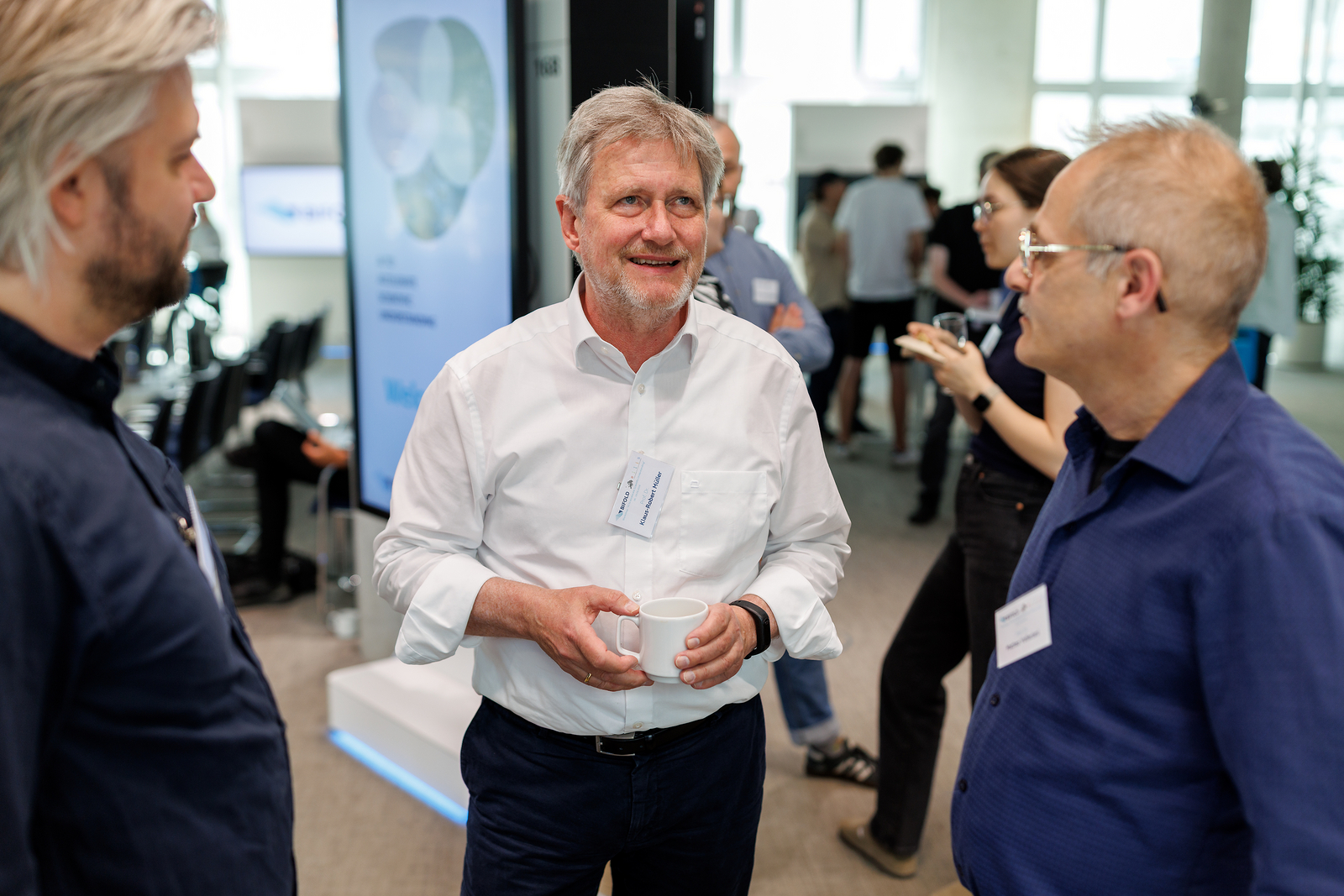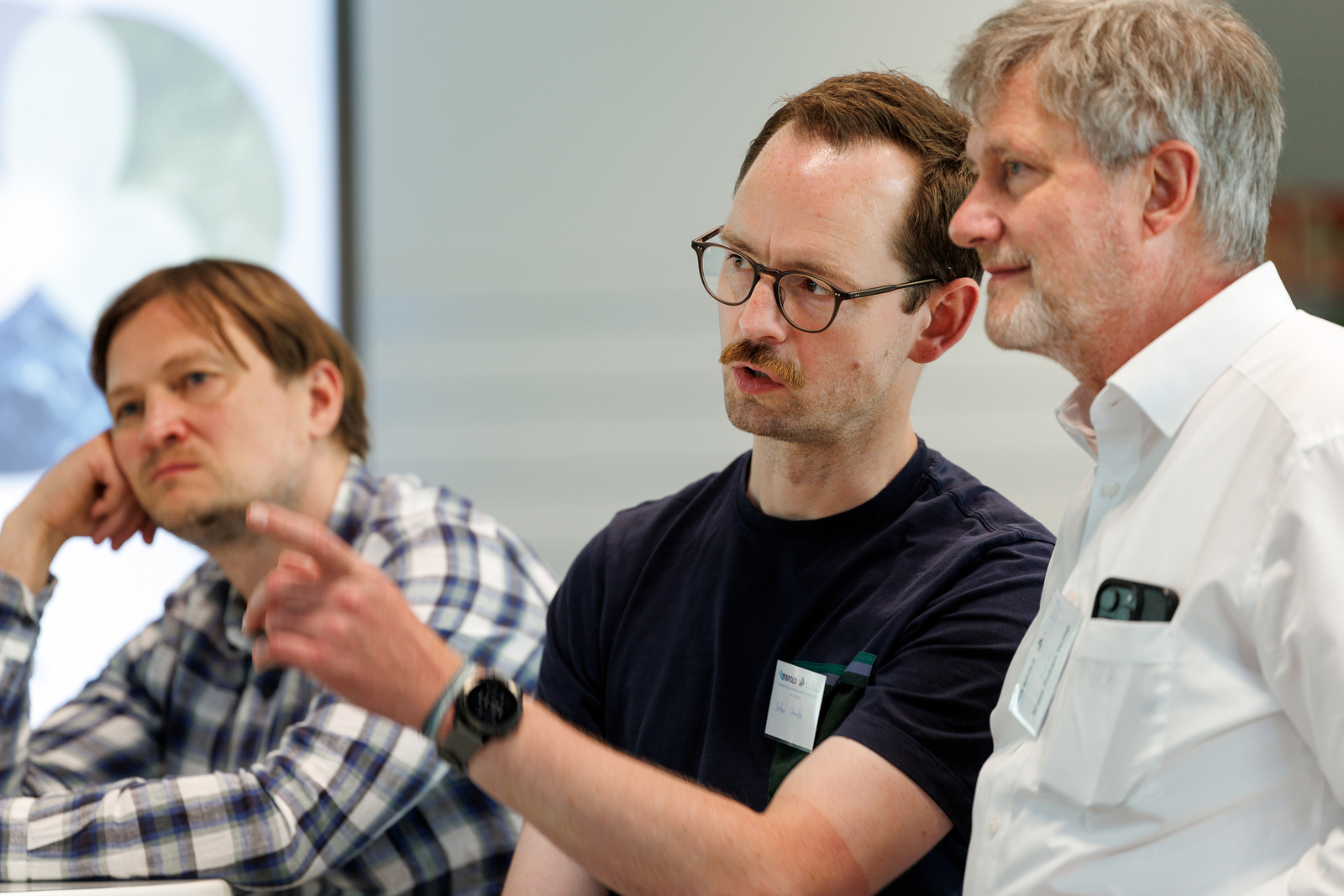


Four days of interdisciplinary exchange on how explainable and interpretable AI can advance scientific discovery, hosted by ELLIS Unit Berlin and BIFOLD
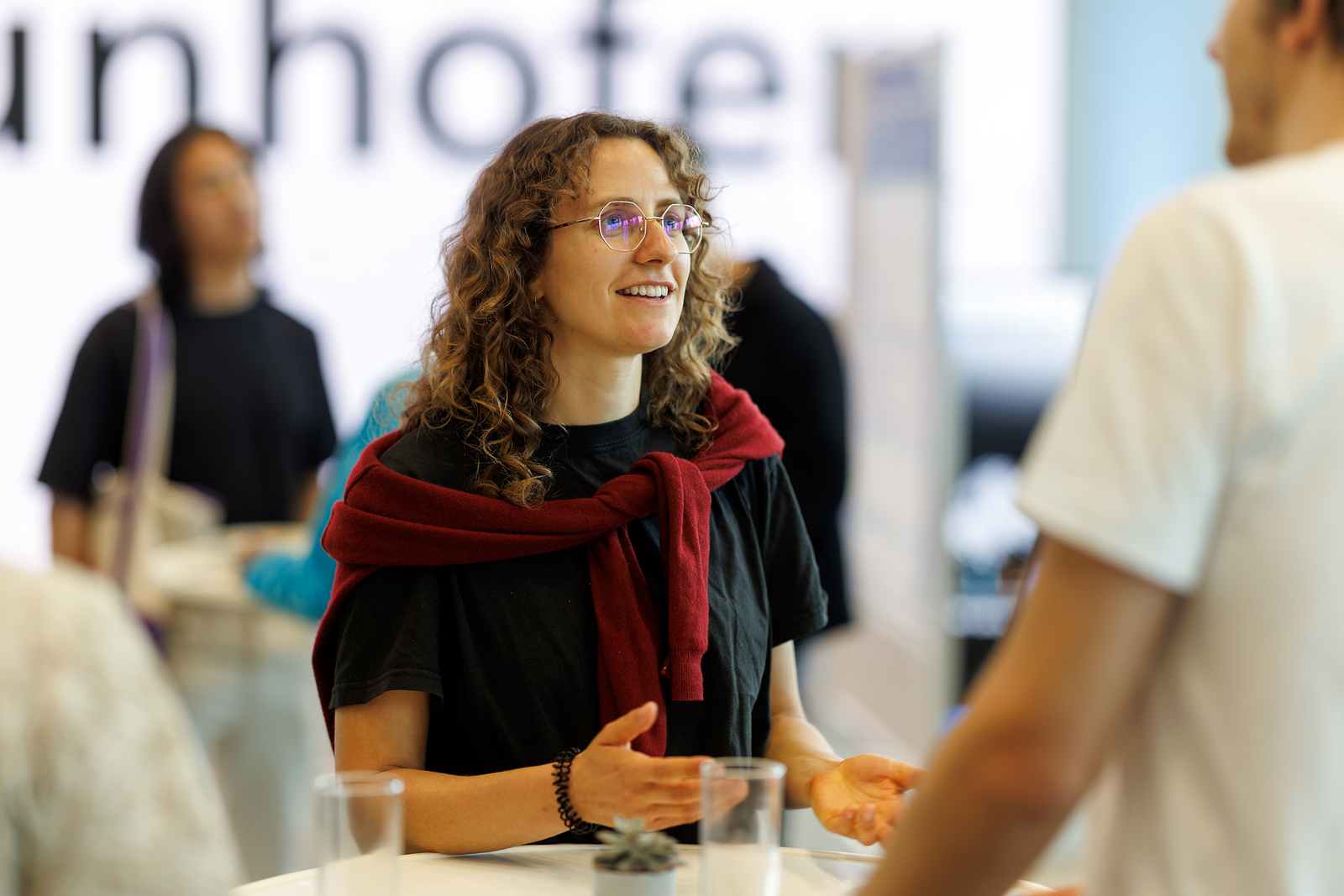
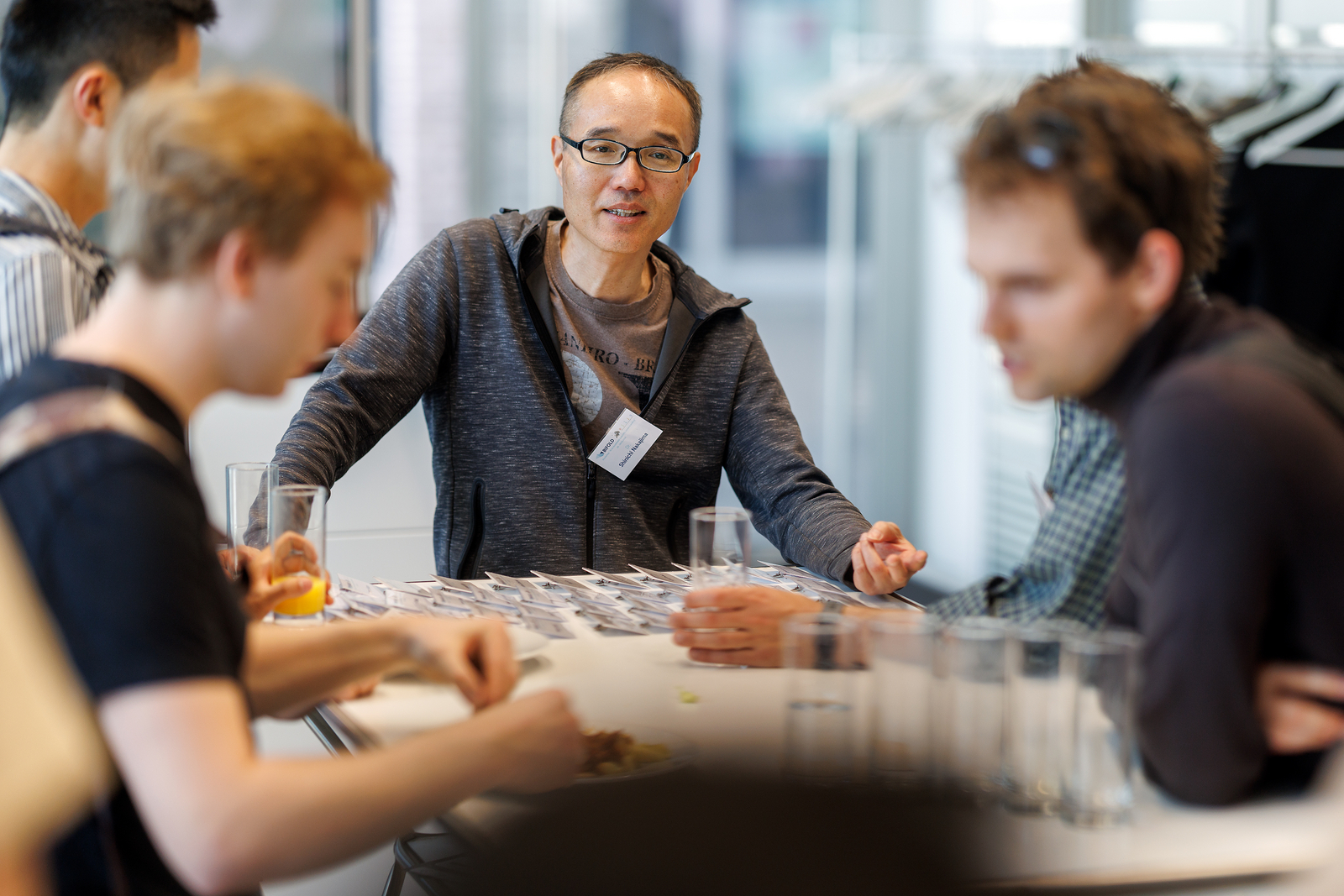
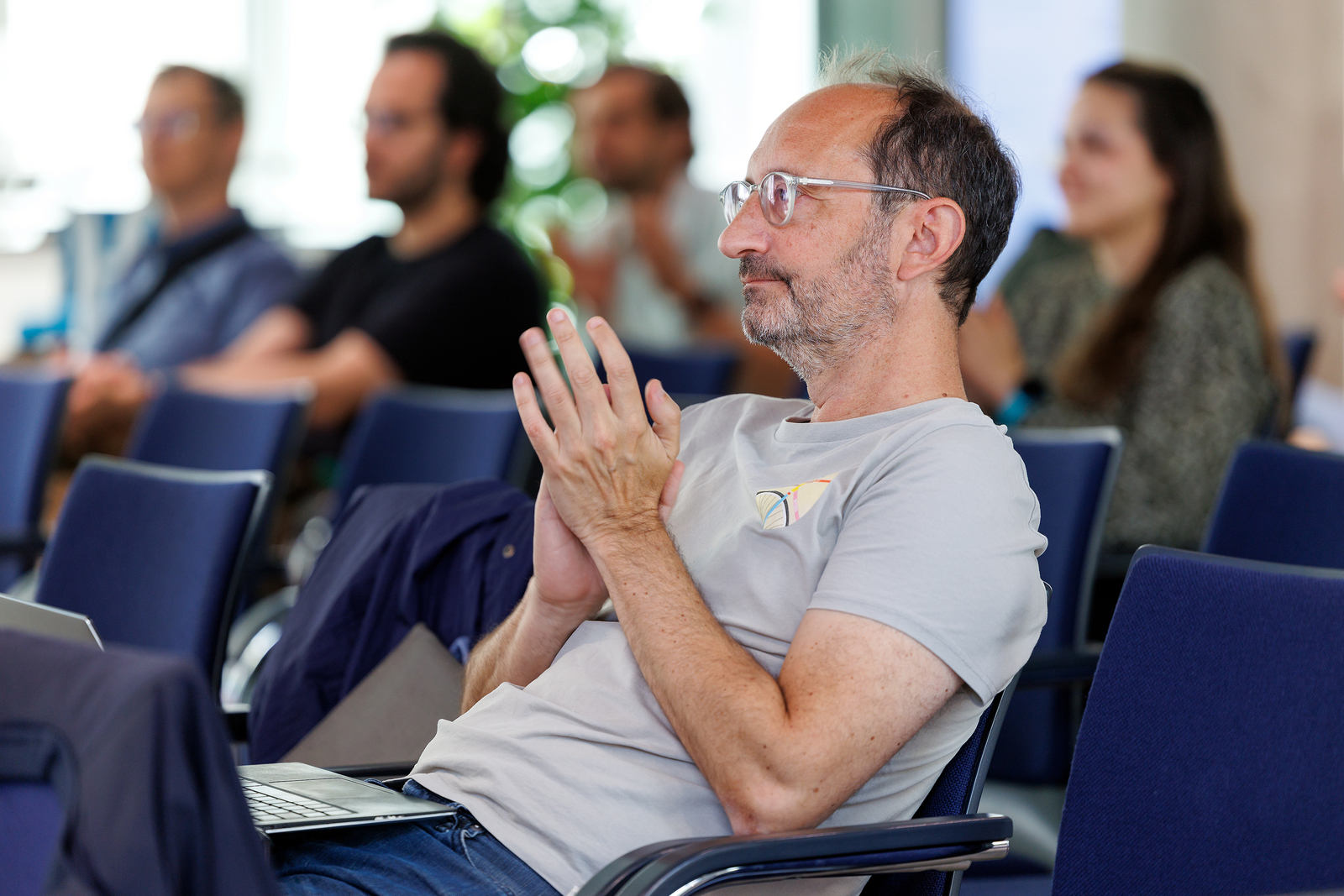
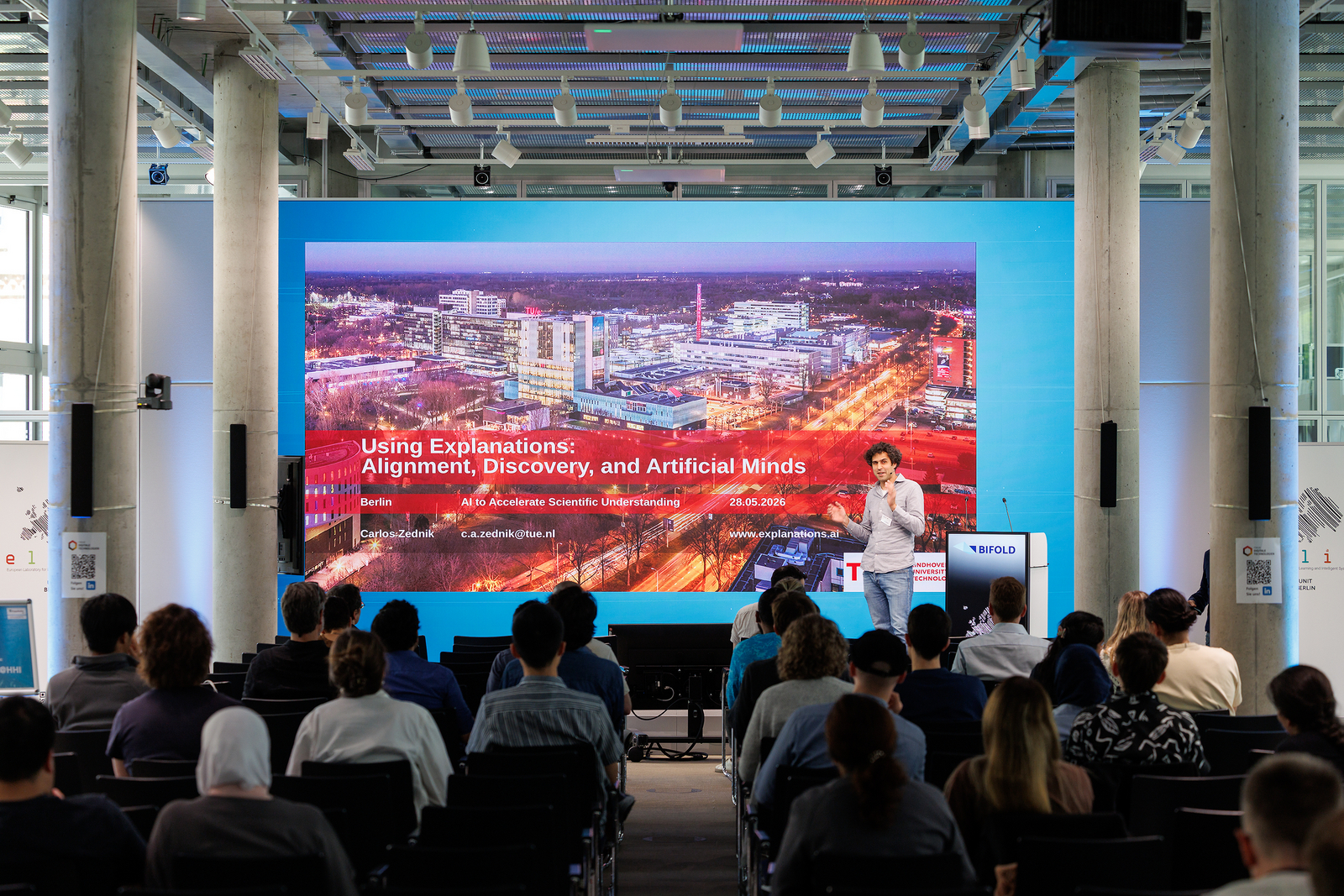
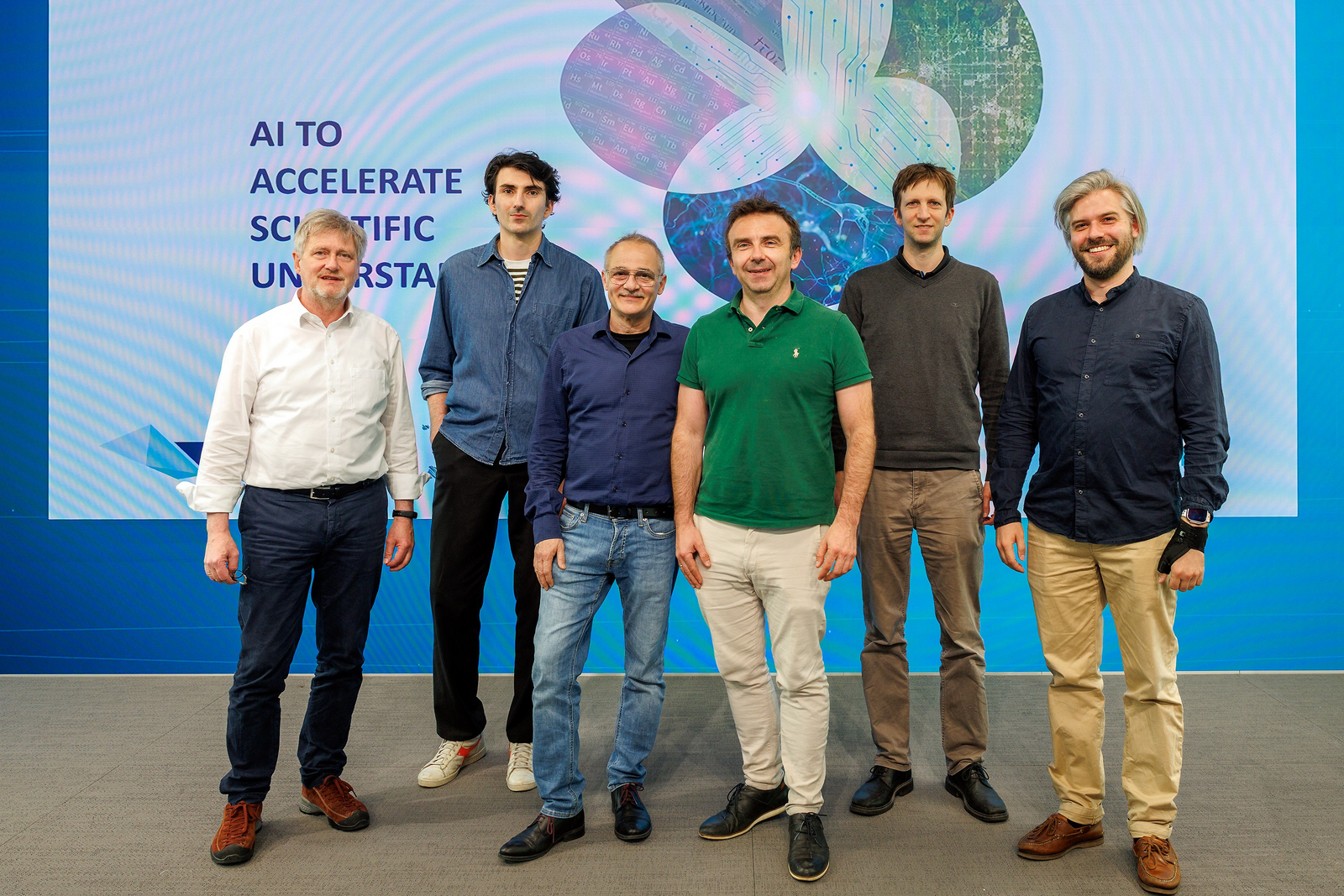
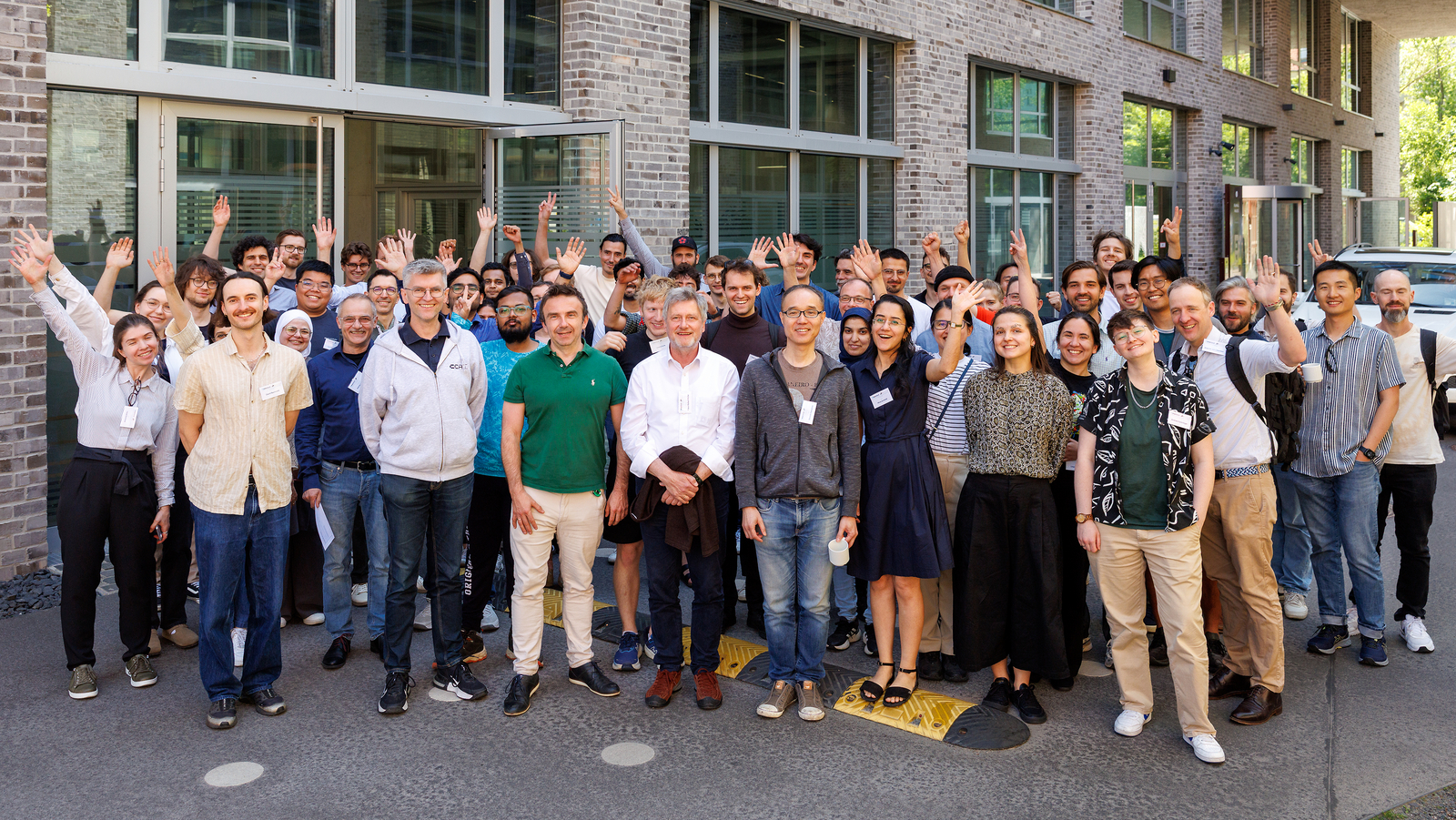
On May 26 – 29, 2026, ELLIS Unit Berlin and BIFOLD convened researchers from across the ELLIS community and beyond at the Forum Digital Technologies (FDT) in Berlin for a four-day joint scientific workshop, "Exploring the Frontiers of AI-driven Research." The program centered on a question of growing importance across the sciences: how the explanation and interpretation of machine learning models can move these systems beyond accurate prediction toward genuine scientific insight.
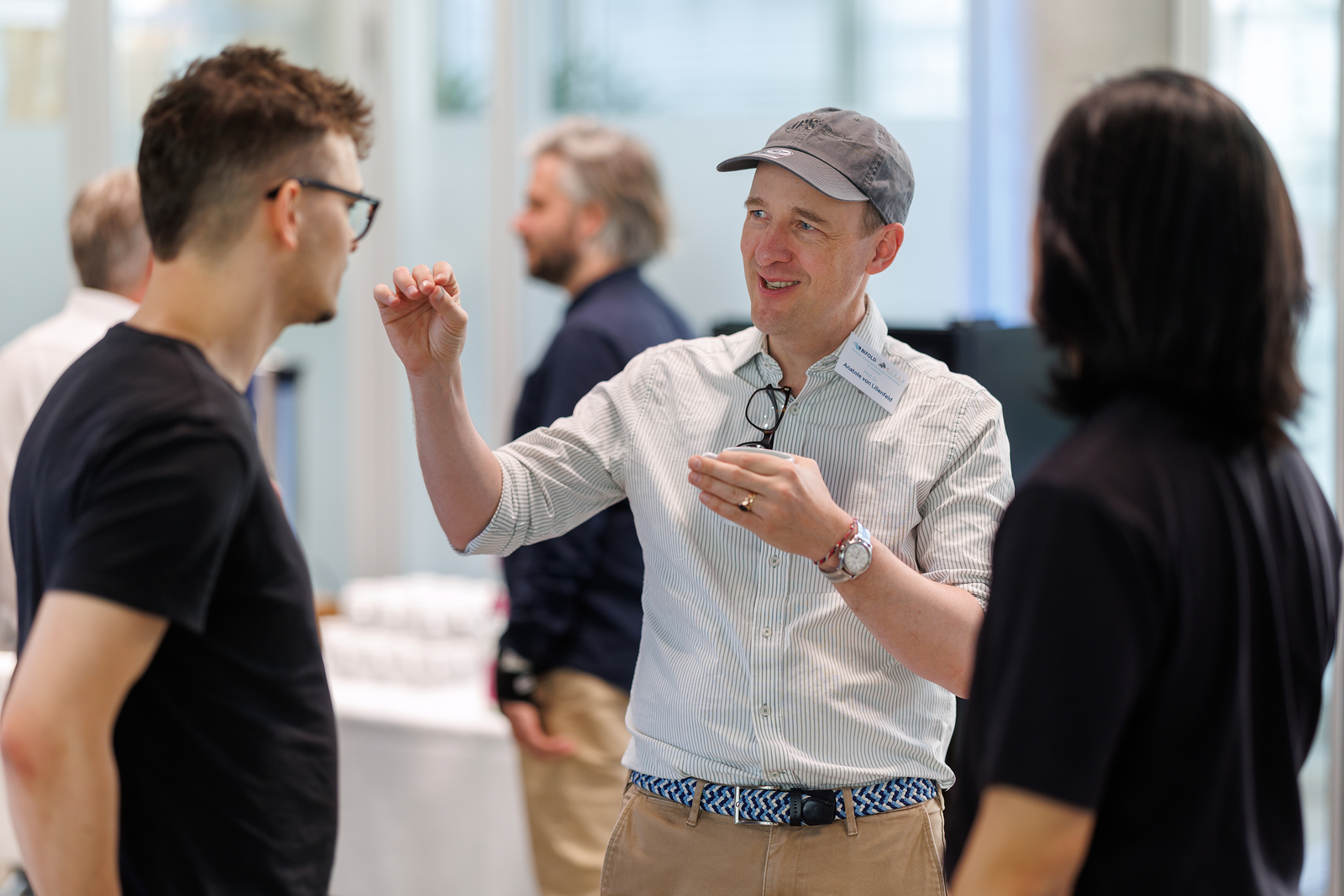
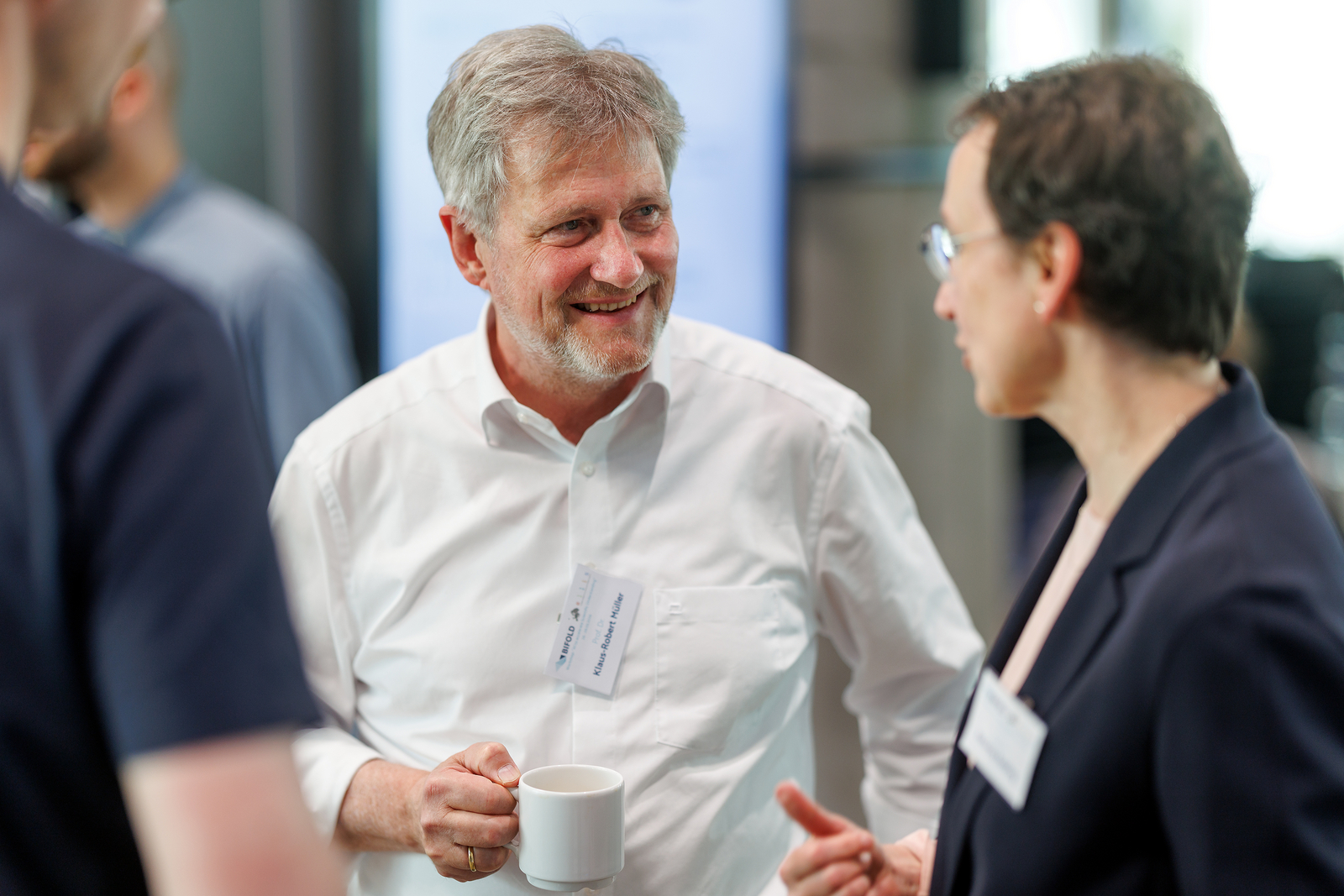
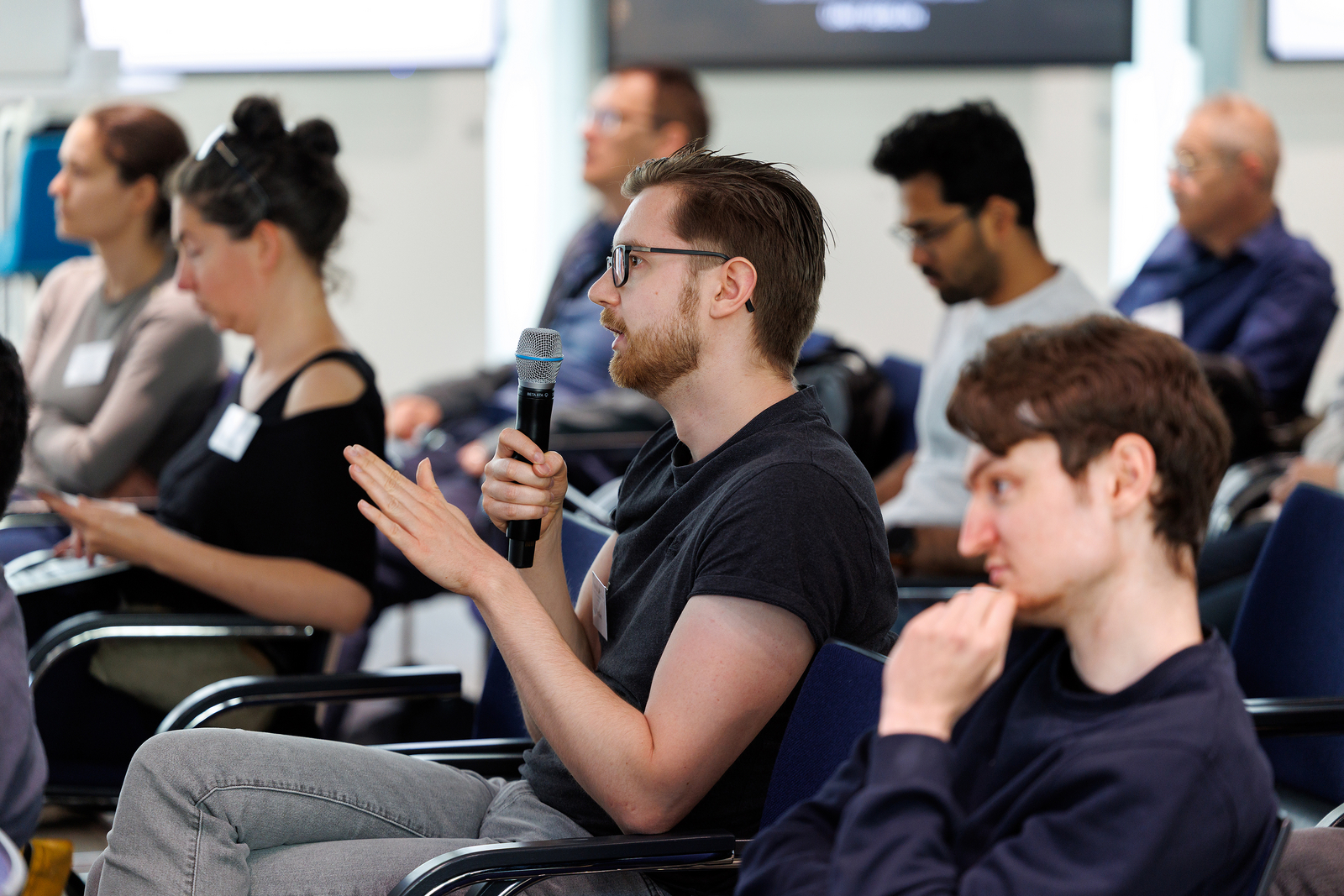
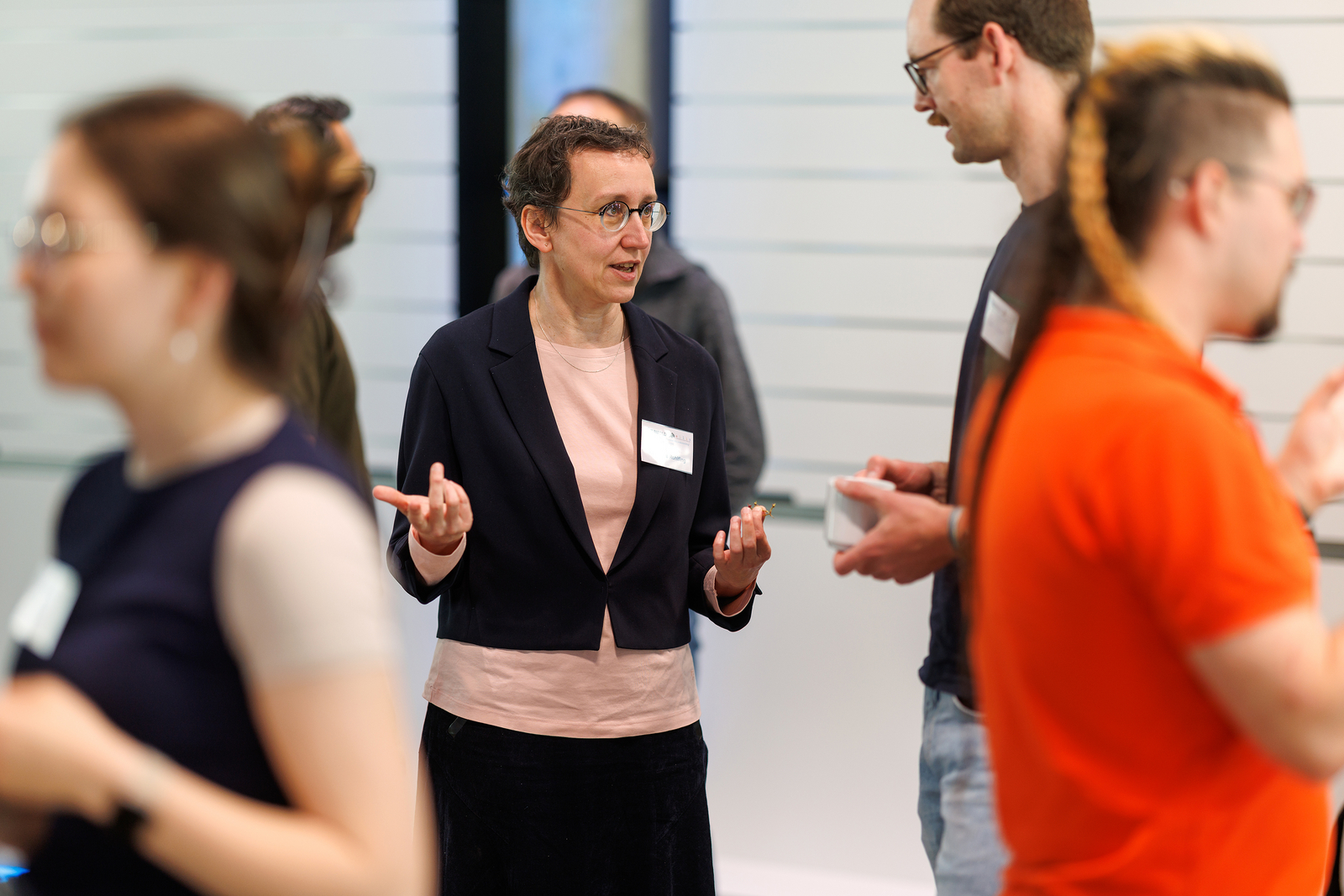
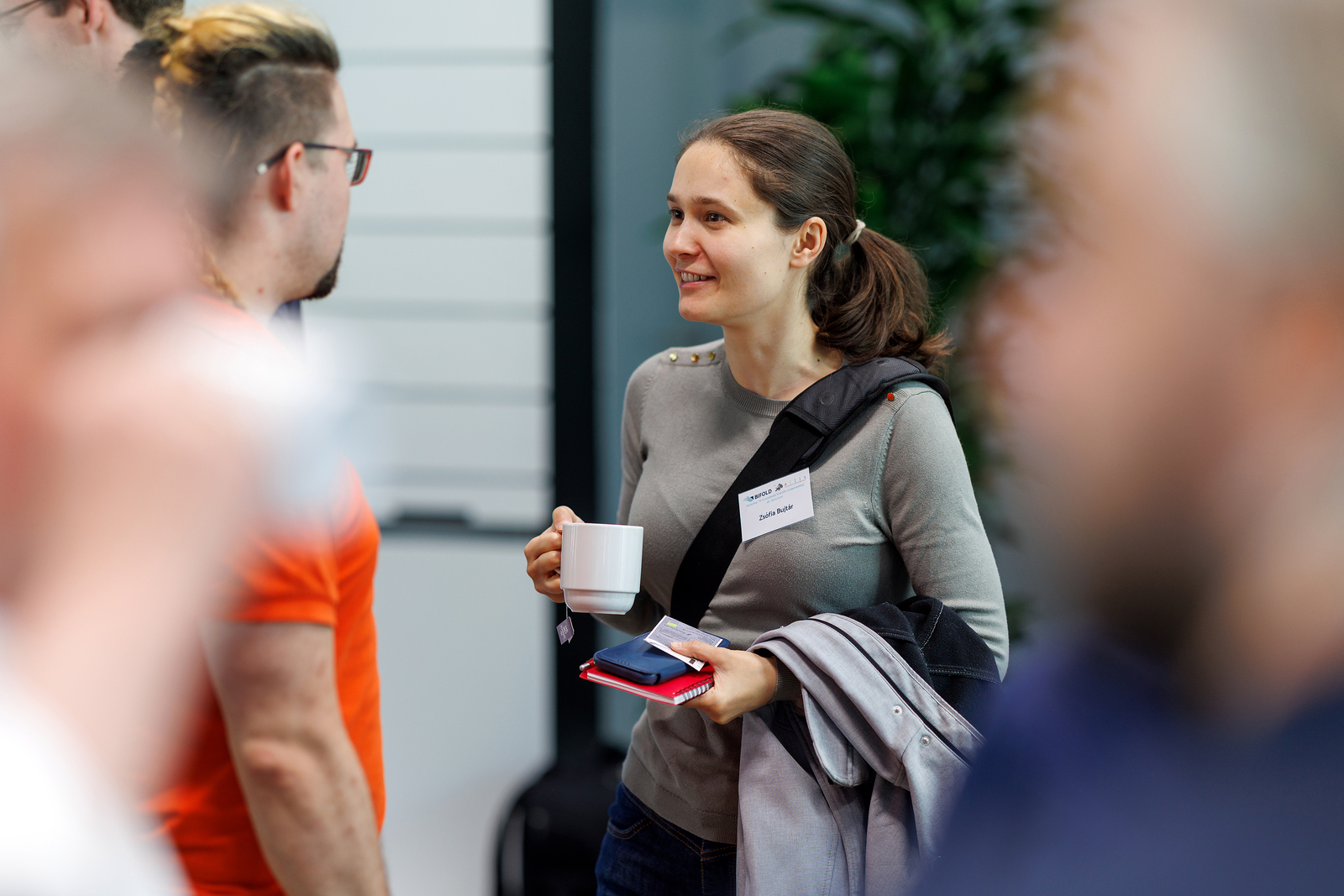
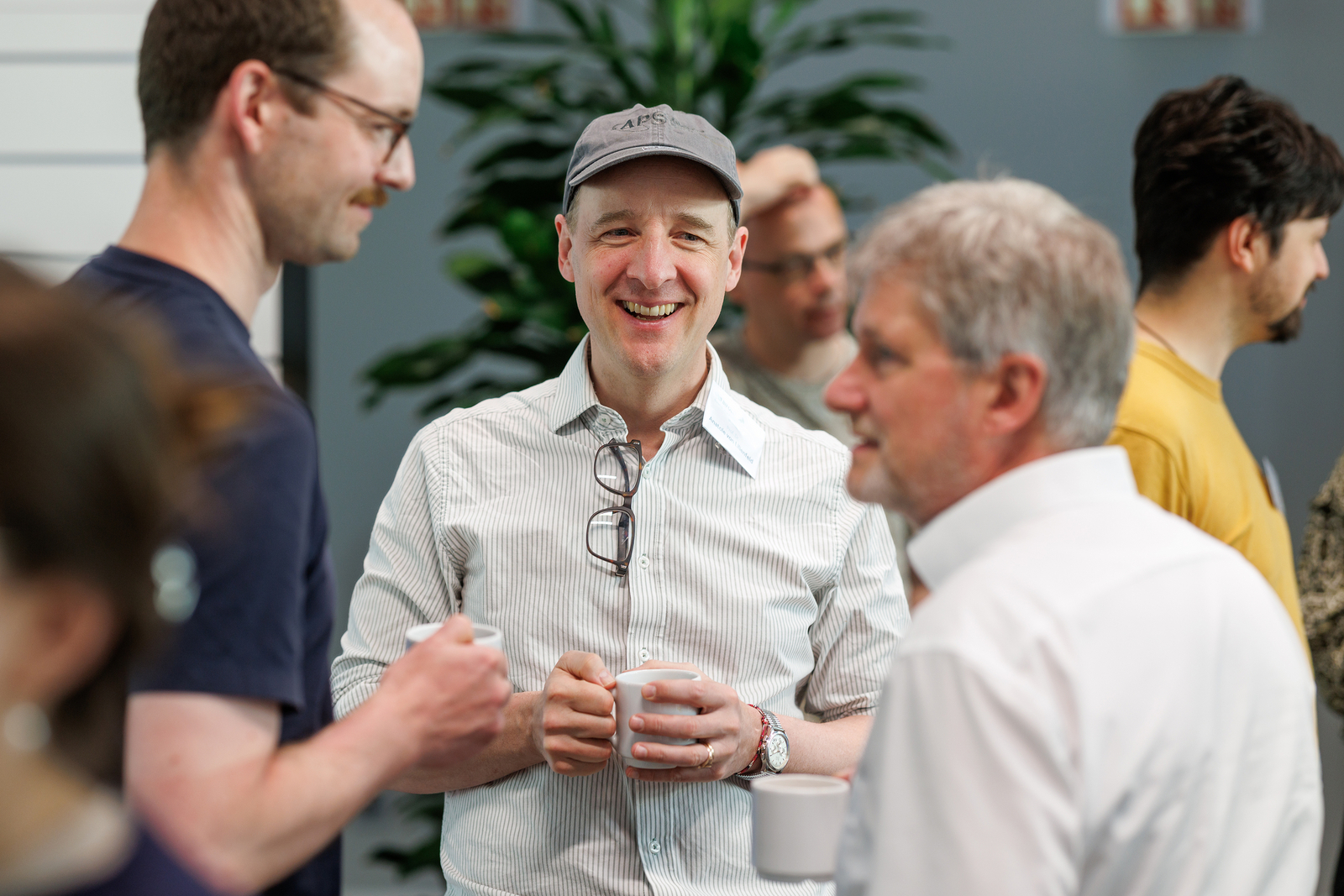
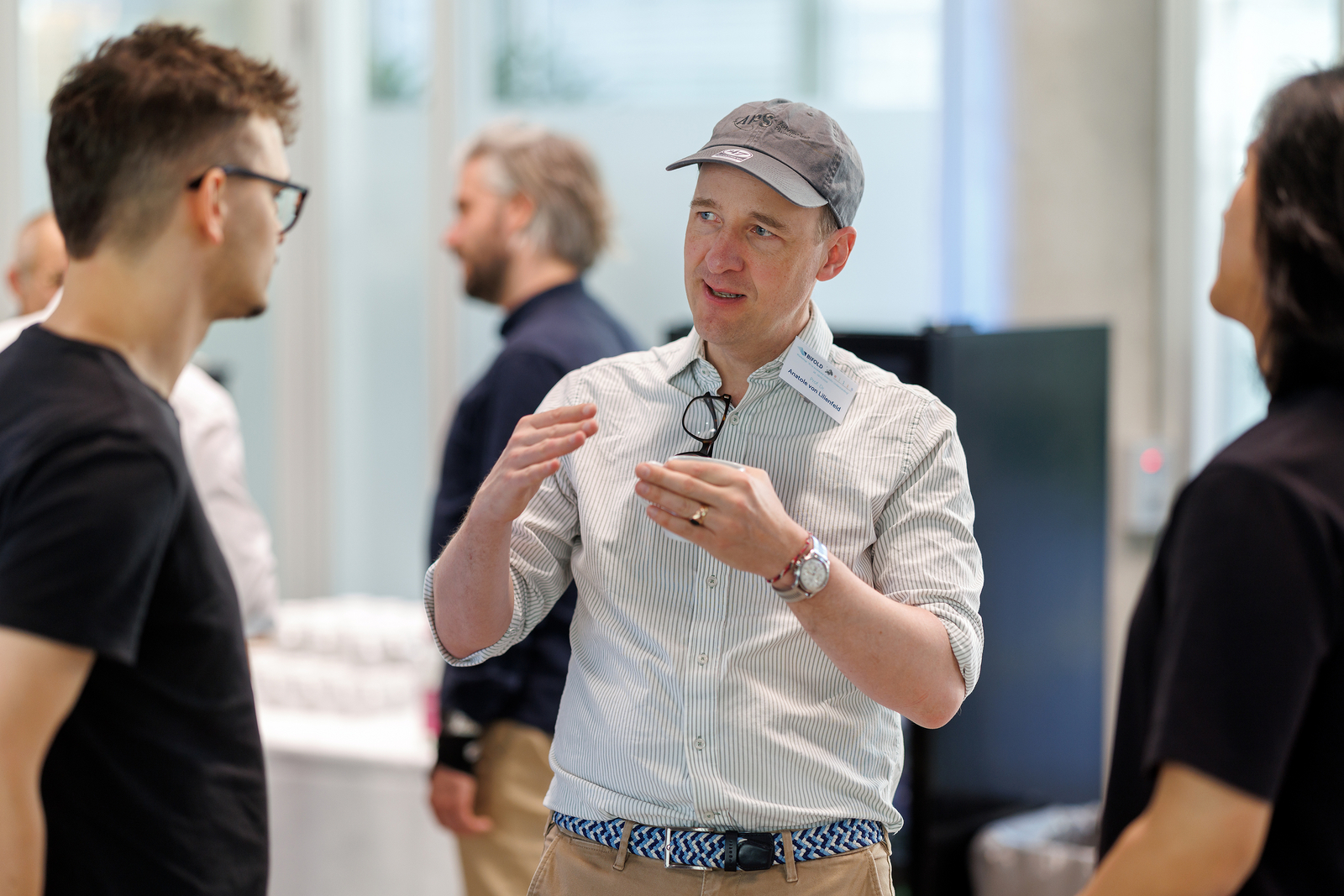
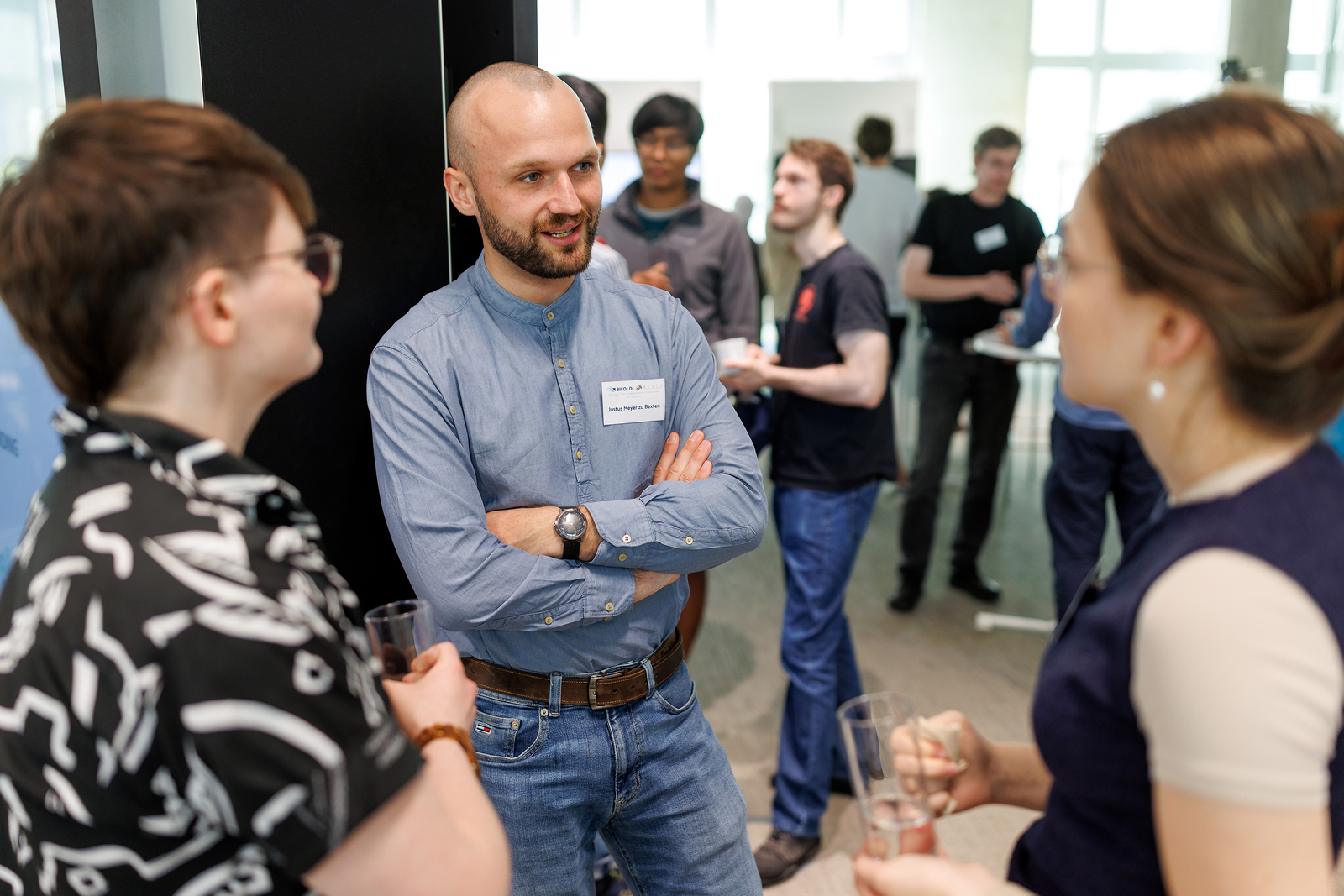
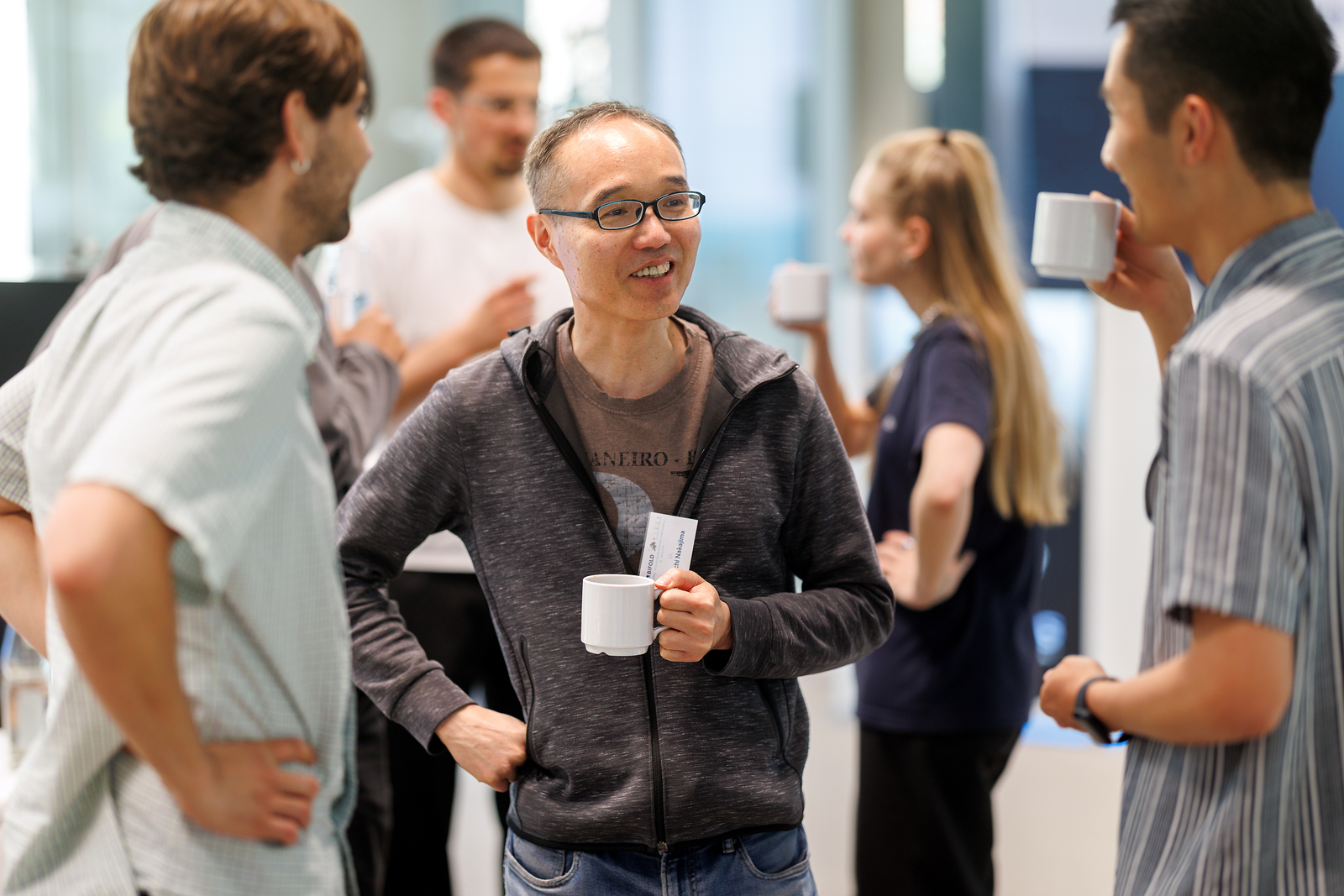
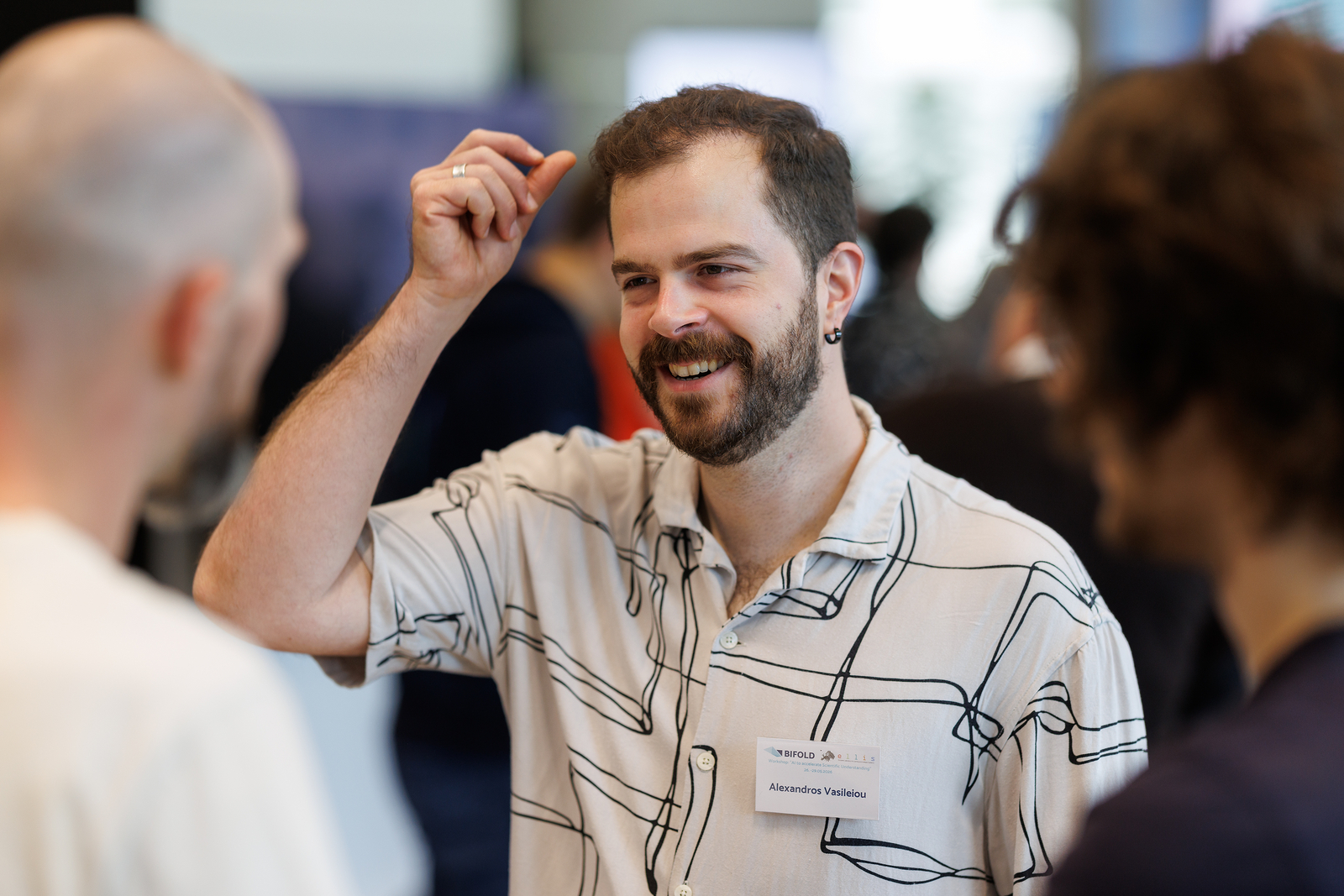
Machine learning models can learn complex phenomena from data with remarkable accuracy, yet their black-box nature often leaves the reasoning behind their predictions opaque. The workshop set out to develop a broader and more systematic understanding of how explainable and interpretable AI can enable AI-driven research, not only for model validation and trust assessment, but as a means of accelerating discovery itself. Invited talks, poster sessions, and dedicated time for discussion fostered informal exchange across disciplines including molecular science, medicine, digital humanities, geoscience, and astronomy.
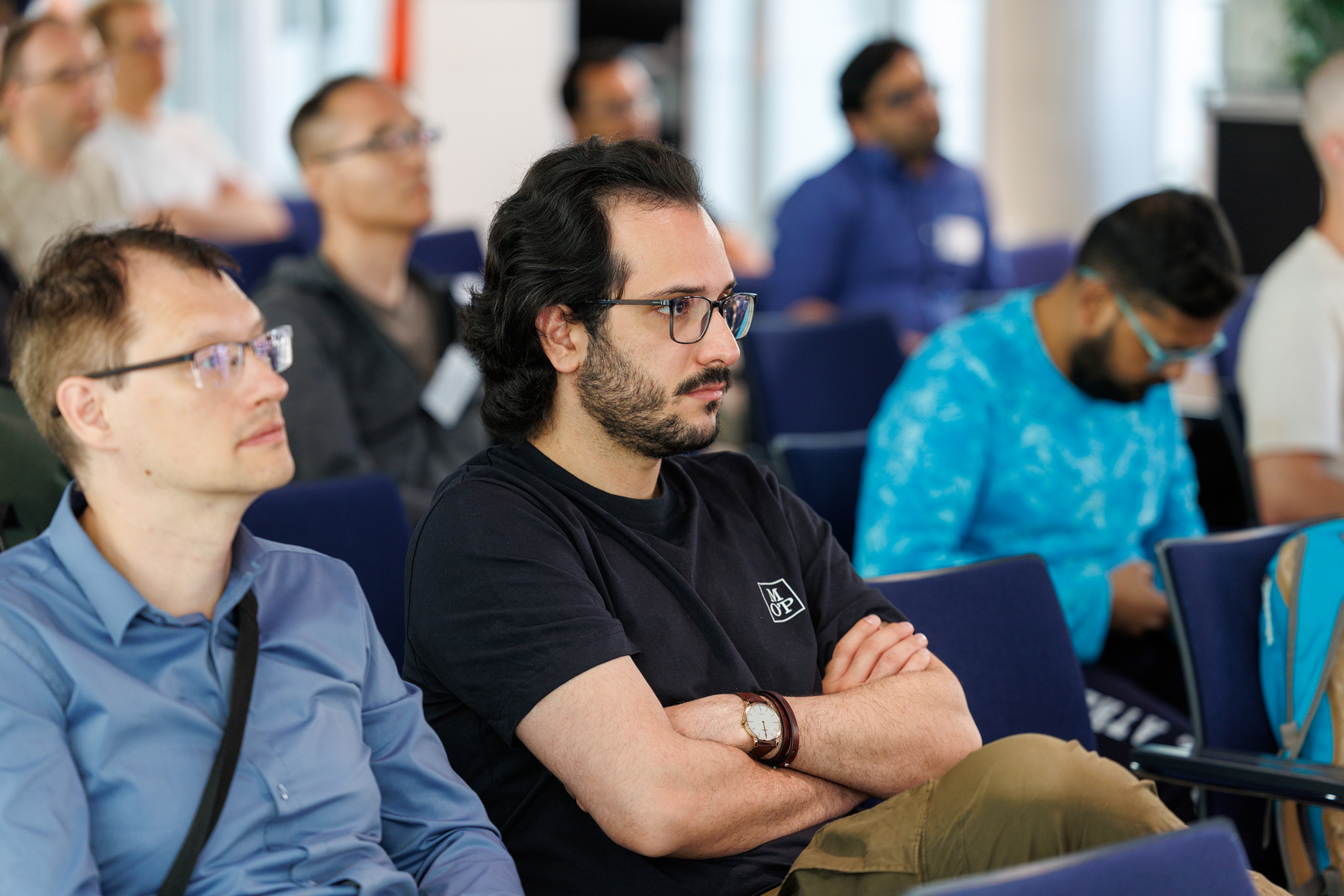
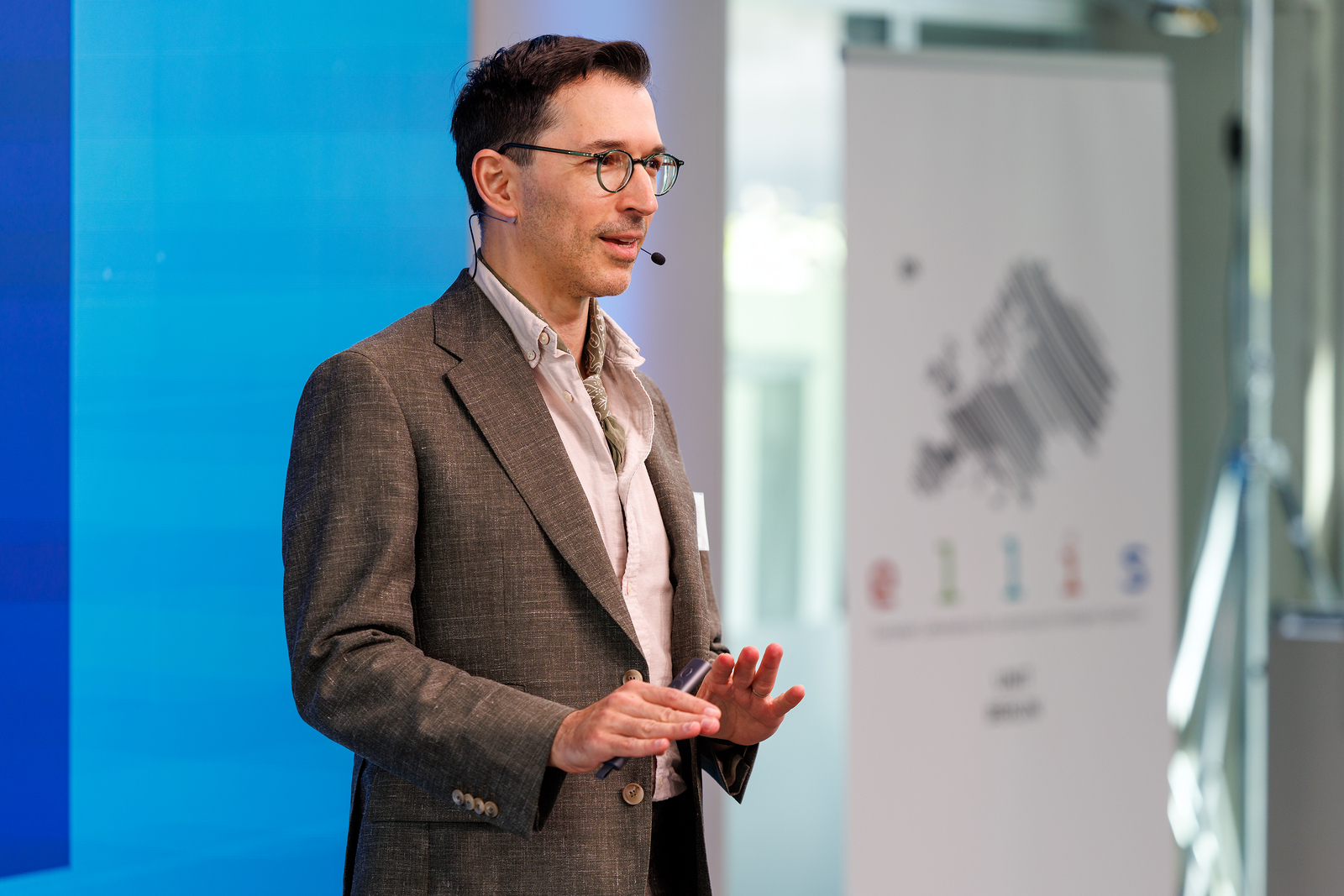
The talks reflected this breadth. On the methodological and theoretical side, contributions came, among others, from Sebastian Lapuschkin (XAI as a control surface for modern AI), Anna Hedström (practical interpretability, from post-hoc to active), Przemyslaw Biecek (generative interventions as a microscope), Bruno Andreis and Wojciech Samek (holistic AI understanding), Marina Meila (geometric learning beyond visualization), Gustau Camps-Valls (a critical perspective on XAI), and Carlos Zednik (explainable AI for alignment and normative discovery).
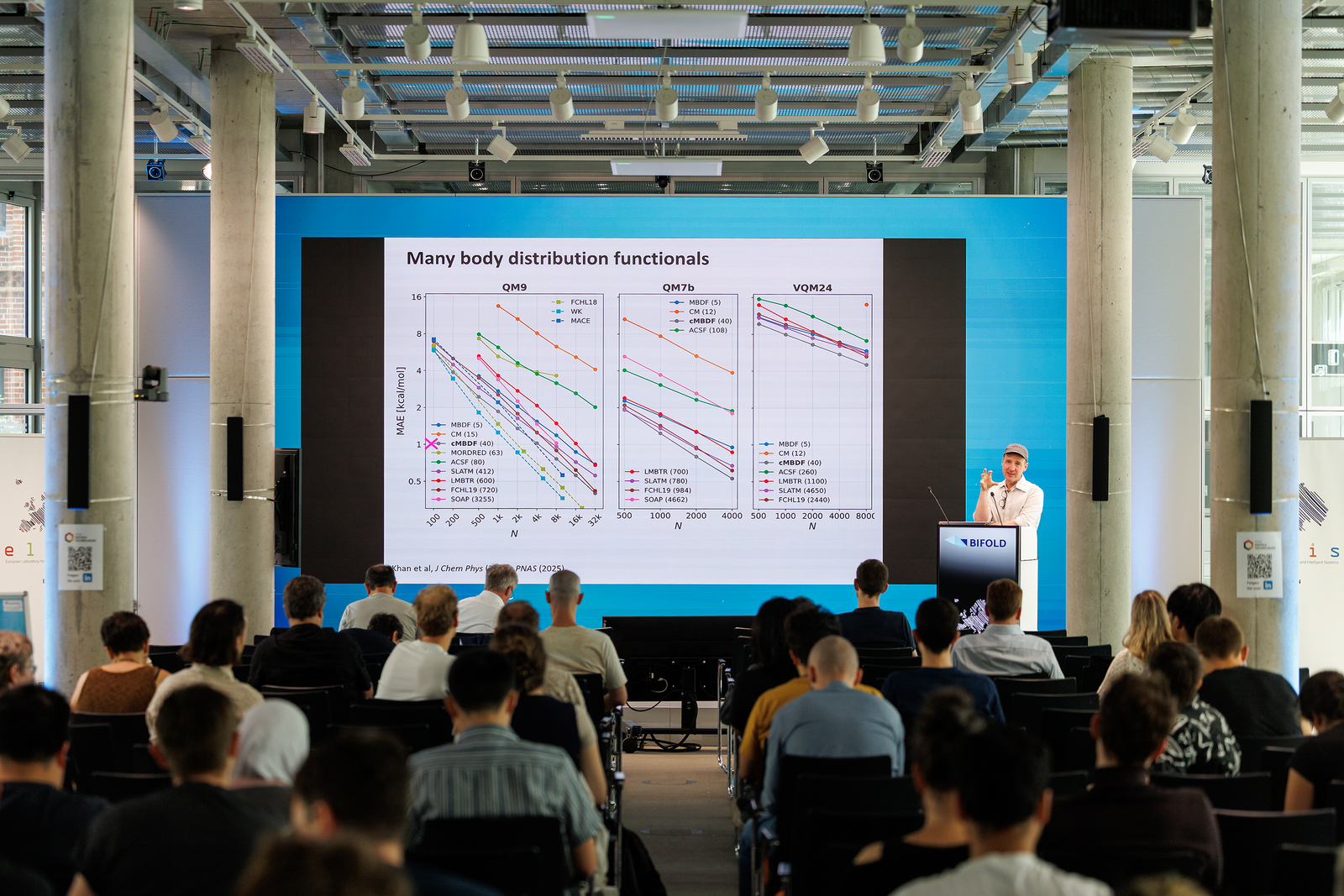
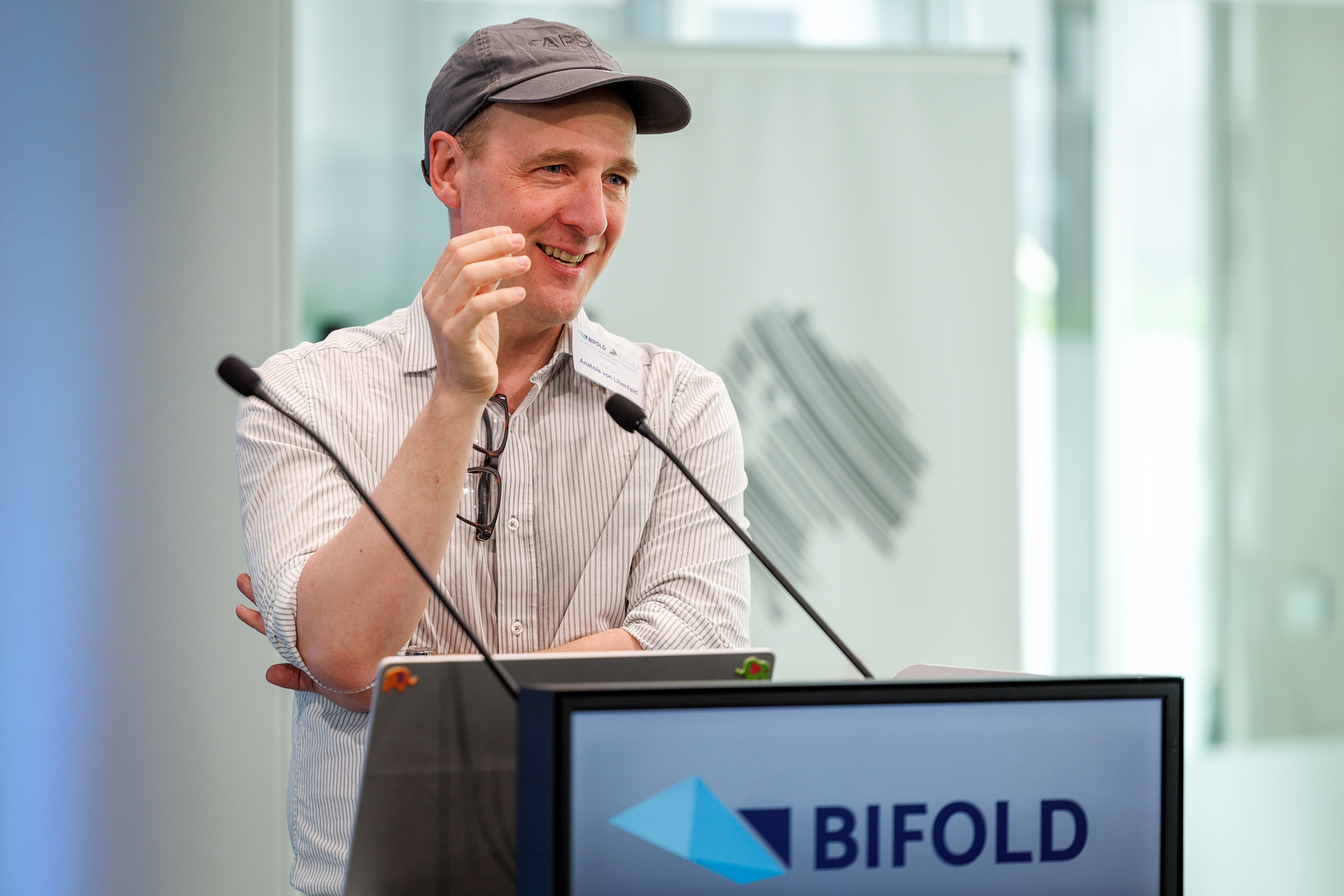
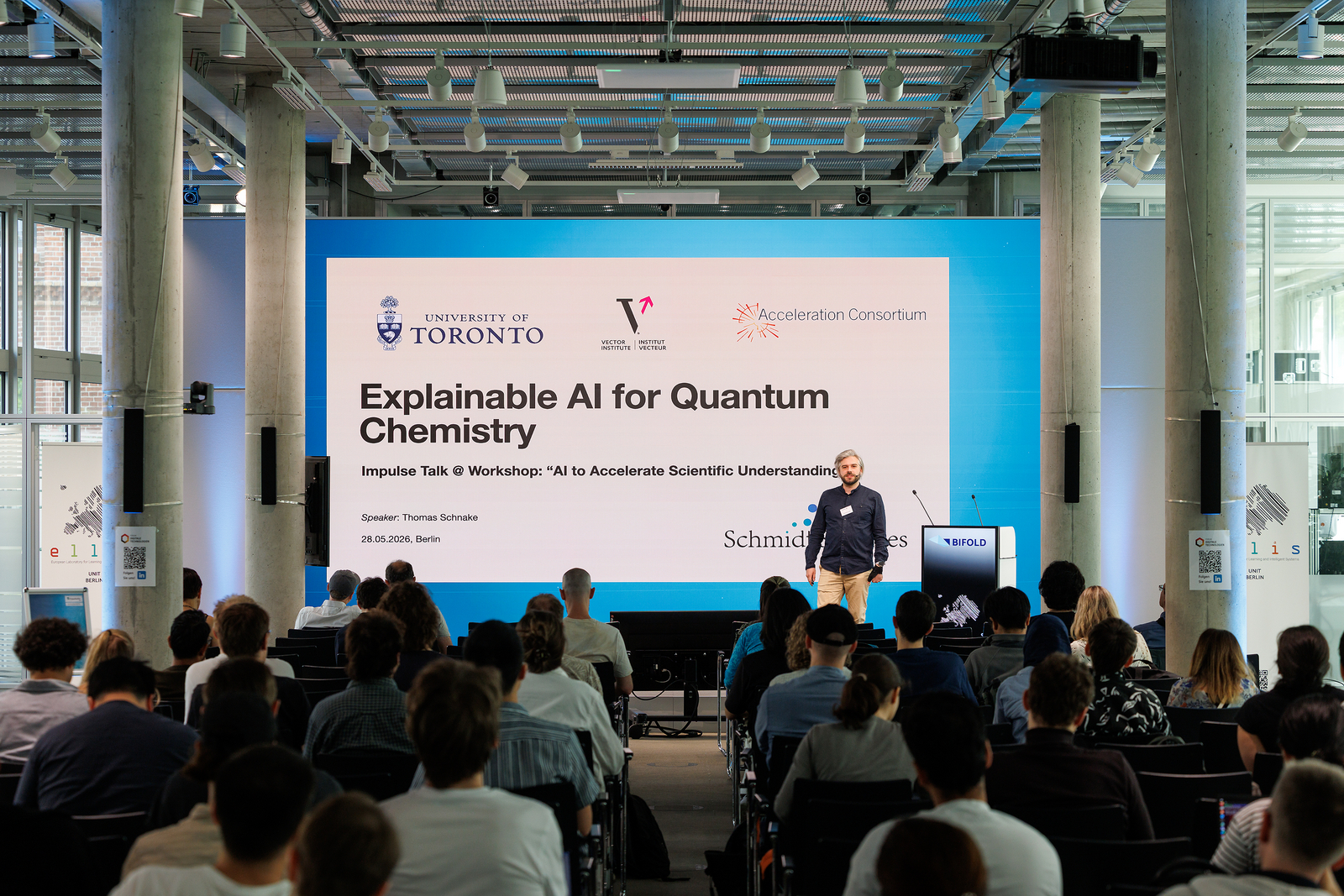
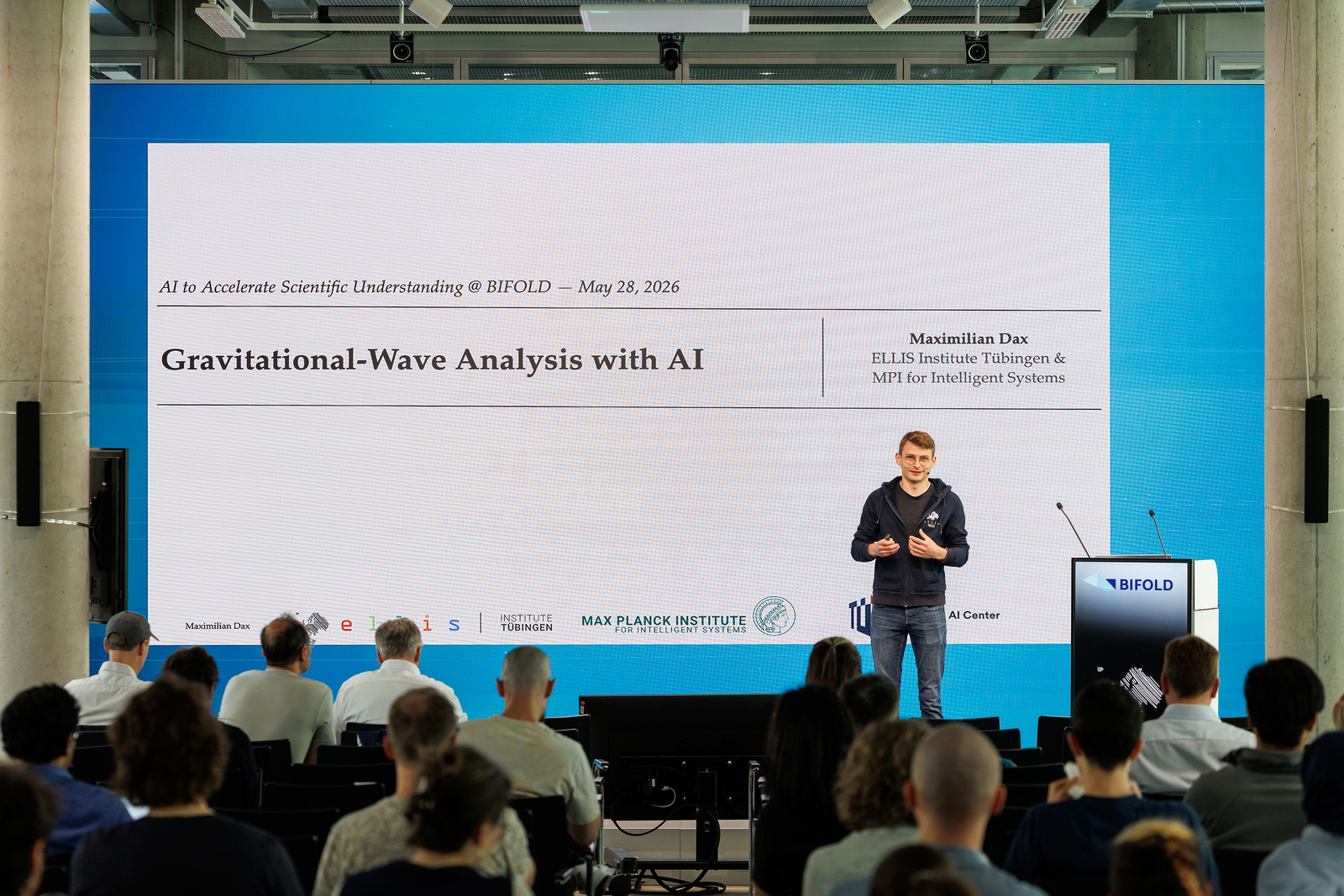
A second strand turned to applications across the sciences, with talks by, among others, Carolin Müller and Kevin Höllring (excited-state ML workflows), Alexandre Tkatchenko (AI in the molecular sciences), Anatole von Lilienfeld (efficient machine learning in chemical space), Thomas Schnake (explainable AI for quantum chemistry), Philipp Keyl (explainable AI for translational cancer research), Begüm Demir (AI in geoscience), Maximilian Dax (AI in gravitational-wave astronomy), Iyad Rahwan (the "Science Fiction Science" method), and Oliver Eberle (from AI to the humanities — and back).
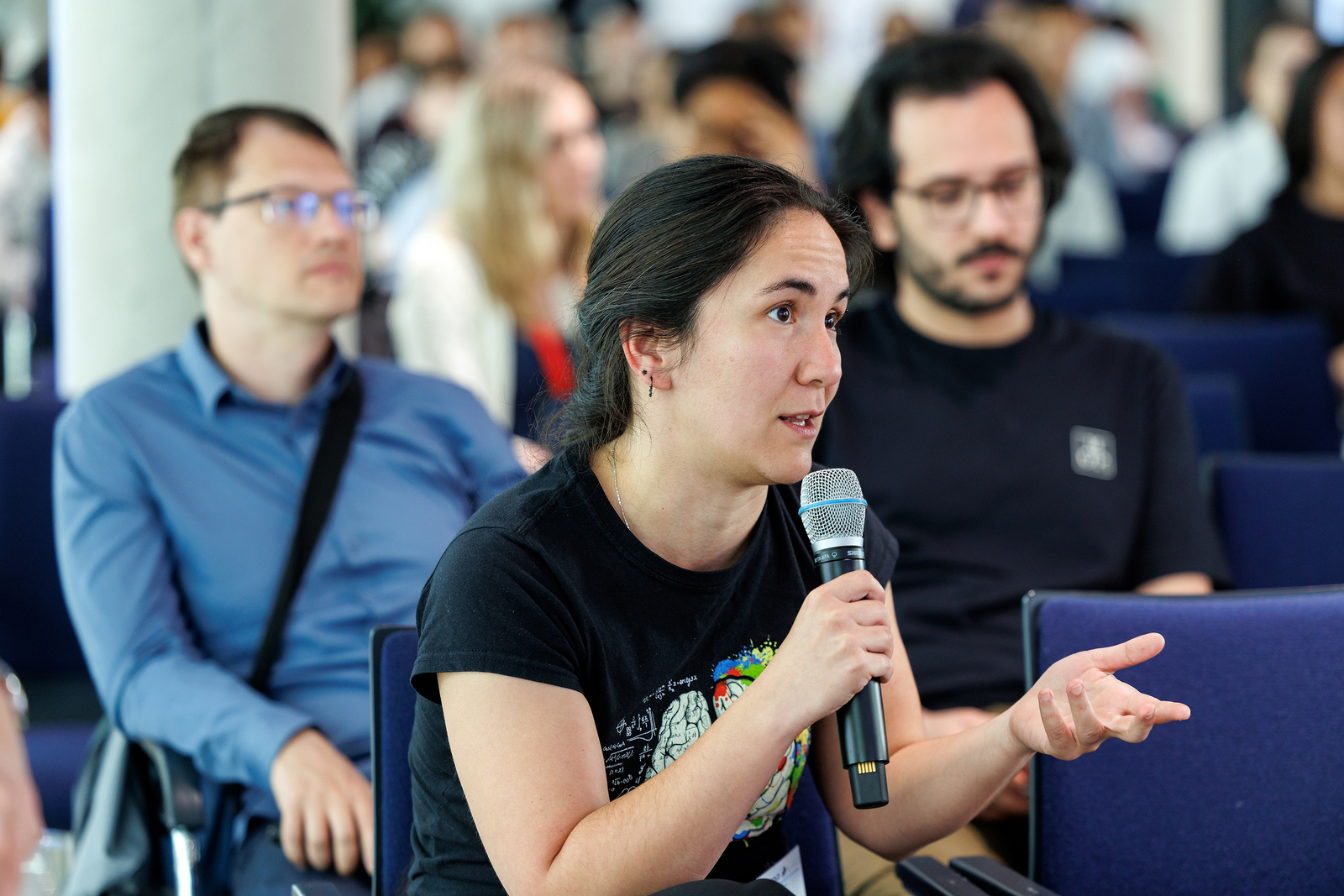
We would like to express our heartfelt thanks to all speakers for their insights into a fast-moving research field, and to all participants for the questions, discussions, and conversations that shaped the workshop over these four days. Our thanks also go to the Forum Digital Technologies for hosting the event.