



Dr. Stefan Chmiela

Dr. Stefan Chmiela
Research Junior Group Lead
Affiliation: BIFOLD
Dr. Stefan Chmiela leads the Research Training Group “Machine Learning for Quantum Molecular Simulation.”
2025 Named one of the “100 Most Important Minds in Berlin Science 2025” by Der Tagesspiegel
2019 Dimitris N. Chorafas Foundation Award
Stefan Chmiela’s research group develops machine learning methods that make quantum-chemical calculations and molecular simulations more accurate, efficient, and predictive. The group develops physically grounded models for many-particle systems, including machine-learned force fields, molecular property predictors, and implicit and generative models of molecular structure and dynamics. By bridging electronic and atomistic descriptions, these methods aim to extend quantum-level accuracy to larger molecular systems and longer timescales across chemistry, materials science, and molecular biophysics.
Johannes Maeß, Leon Werner, J. Thorben Frank, Winfried Ripken, Martin Michajlow, Joshua Futterer, Klaus-Robert Müller, Stefan Chmiela
Implicit Machine Learning Force Fields Accelerate Molecular Dynamics Simulations
J. Thorben Frank, Stefan Chmiela, Klaus-Robert Müller, Oliver T. Unke
Machine learning global atomic representations with Euclidean fast attention
Winfried Ripken, Michael Plainer, Gregor Lied, Thorben Frank, Oliver T. Unke, Stefan Chmiela, Frank Noé, Klaus-Robert Müller
Learning Hamiltonian Flow Maps: Mean Flow Consistency for Large-Timestep Molecular Dynamics
J. Thorben Frank, Winfried Ripken, Gregor Lied, Klaus-Robert Müller, Oliver T. Unke, Stefan Chmiela
Sampling 3D Molecular Conformers with Diffusion Transformers
Anton Charkin-Gorbulin, Artem Kokorin, Huziel E. Sauceda, Stefan Chmiela ,Claudio Quarti ,David Beljonne ,Alexandre Tkatchenko ,Igor Poltavsky
Atomic Orbits in Molecules and Materials for Improving Machine Learning Force Fields
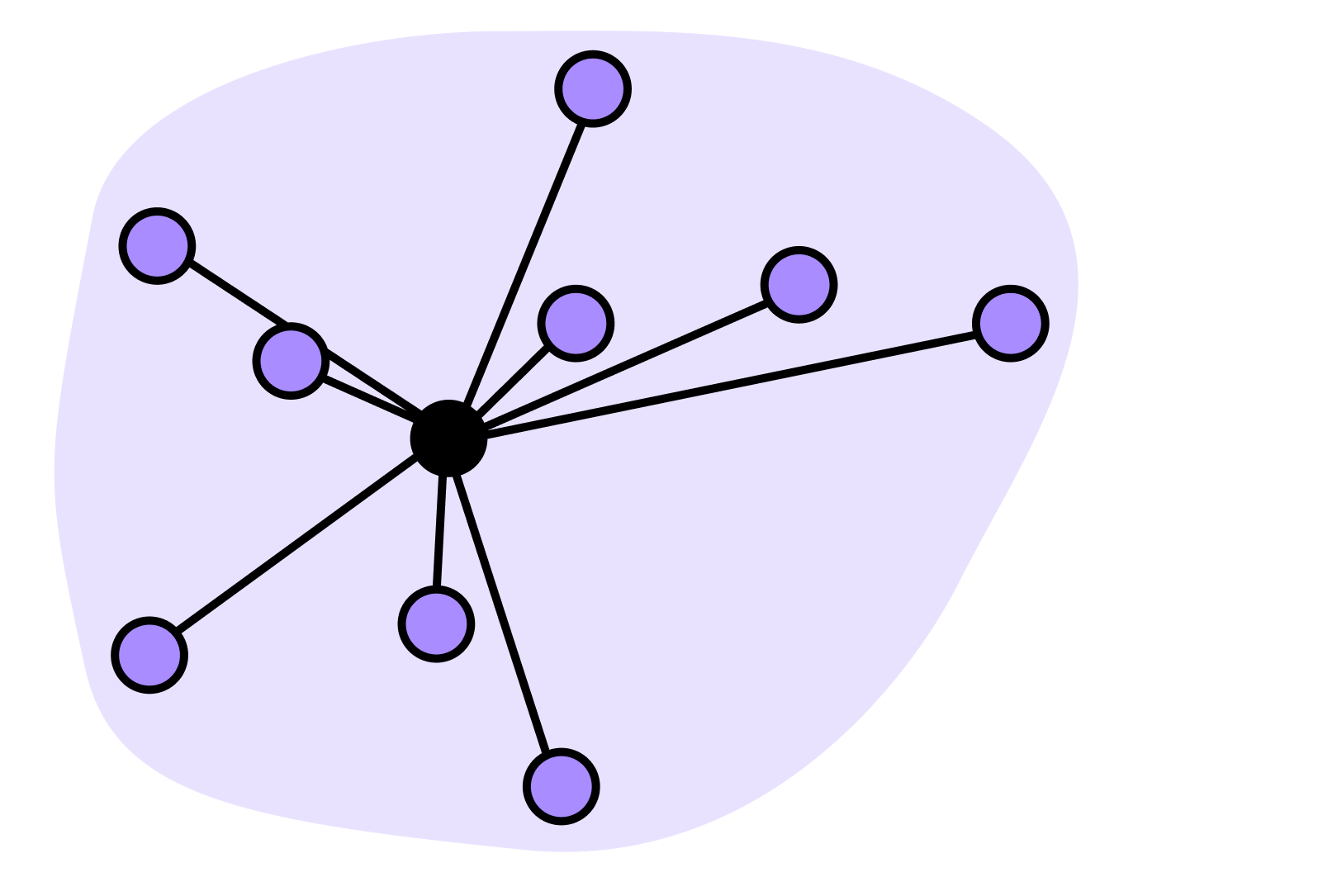
New AI Method Enables More Precise Simulation of Complex Molecules
A new machine learning method enables global atomic interactions in chemical systems to be represented more efficiently. This could allow chemical and materials science processes to be simulated more accurately in the future, potentially accelerating the development of new drugs, more efficient batteries, and more sustainable materials.
Chmiela named among Berlin’s Top 100 Scientists 2025
BIFOLD research group lead Dr. Stefan Chmiela has been named one of the “100 Most Important Minds in Berlin Science 2025” by Tagesspiegel. His research uses explainable AI to model molecular processes, contributing to sustainable chemistry and climate protection.

Simulation of quantum systems
Researchers from the Berlin Institute for the Foundations of Learning and Data (BIFOLD) at TU Berlin and Google DeepMind have now developed a novel machine learning algorithm which enables highly accurate simulations of the dynamics of a single or multiple molecule on long time-scales.
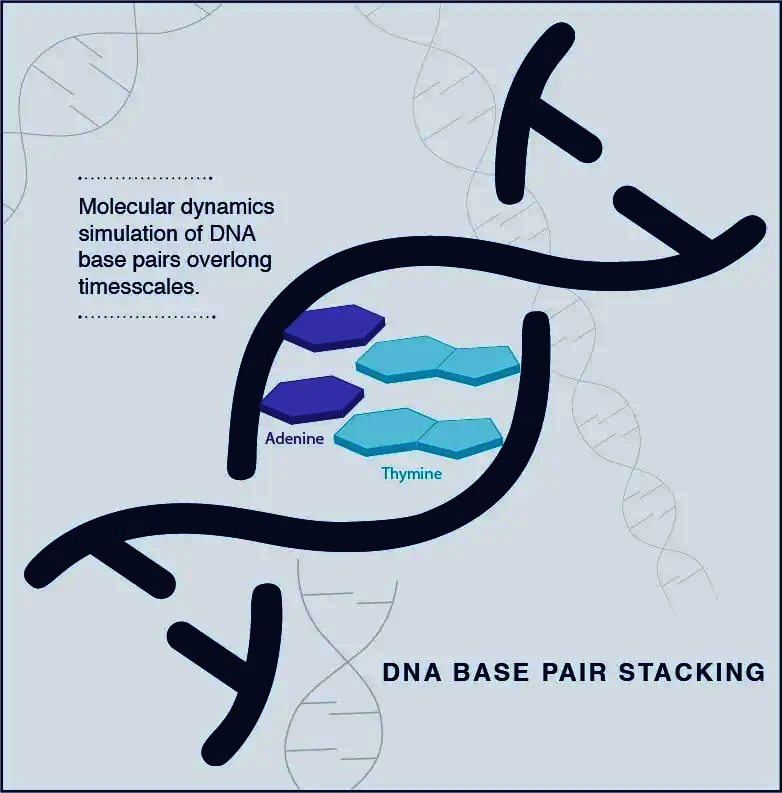
Simulation of complex quantum systems
An international team of BIFOLD scientists together with scientists from the Université du Luxembourg and Google has now successfully developed a machine learning algorithm to simulate complex quantum system.
Machine Learning meets Quantum Physics
BIFOLD researchers contributed to an in-depth referenced work on the physics-based machine learning techniques that model electronic and atomistic properties of matter.